.webp)
Your Guide to Certification, Compliance, and Standards
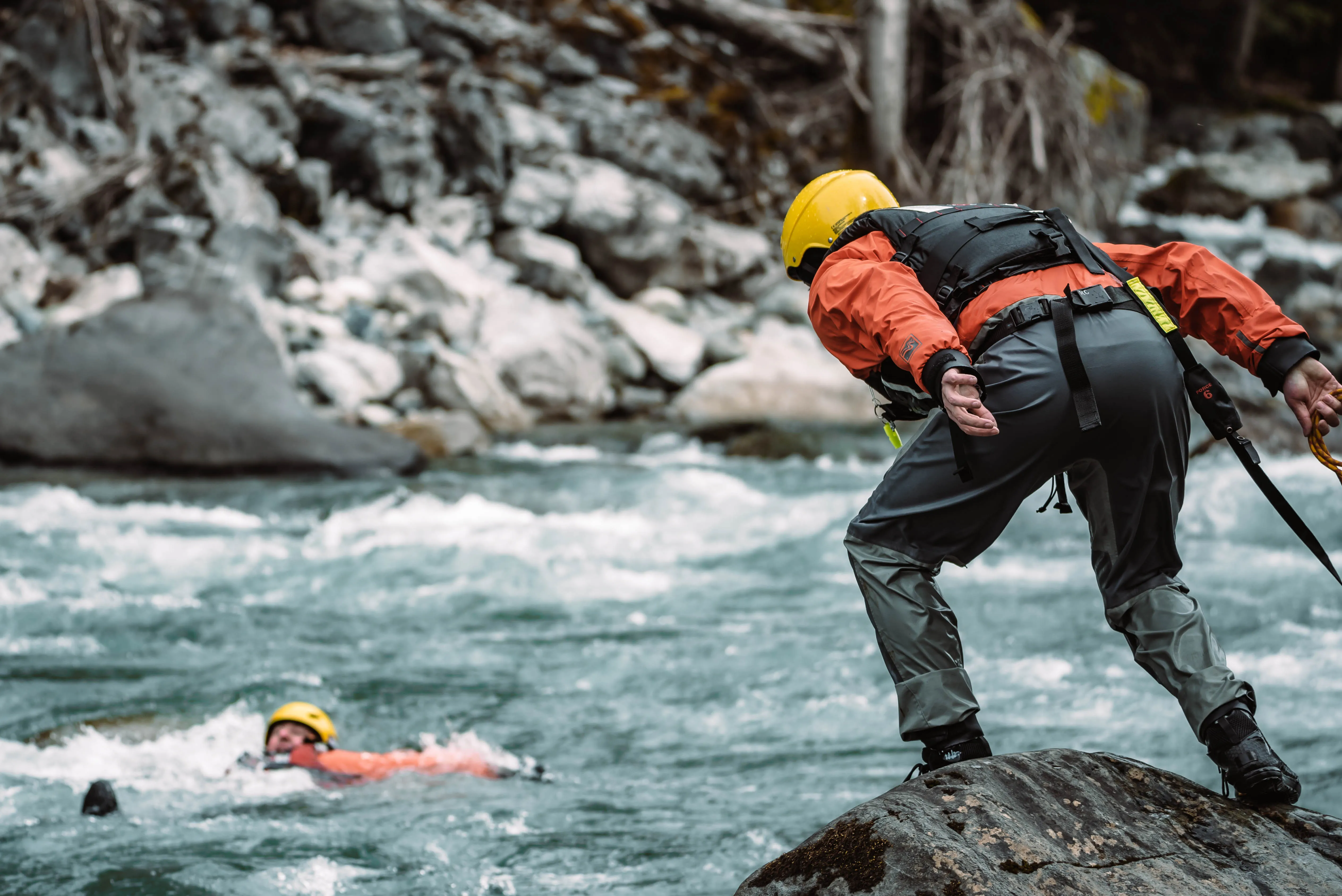
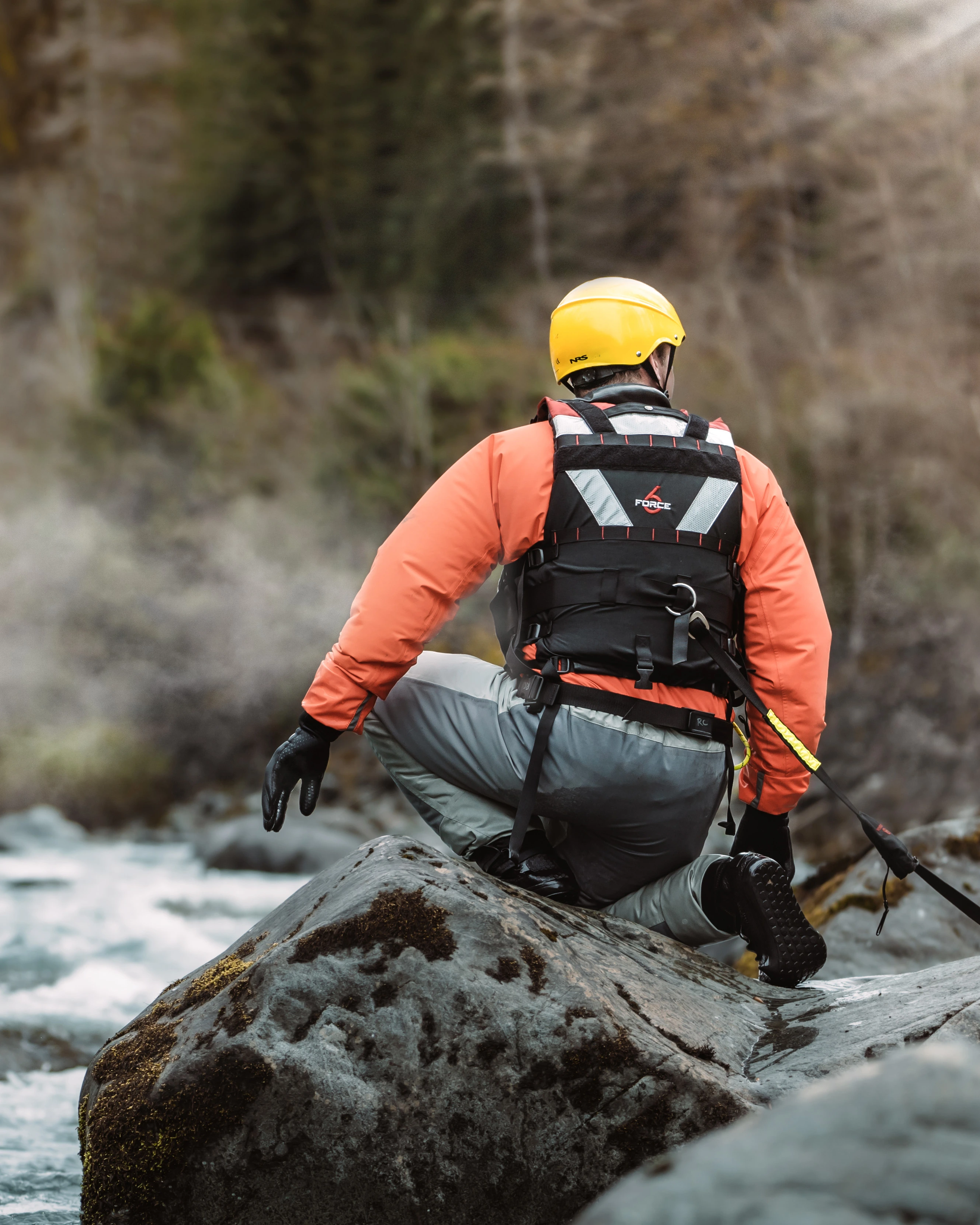
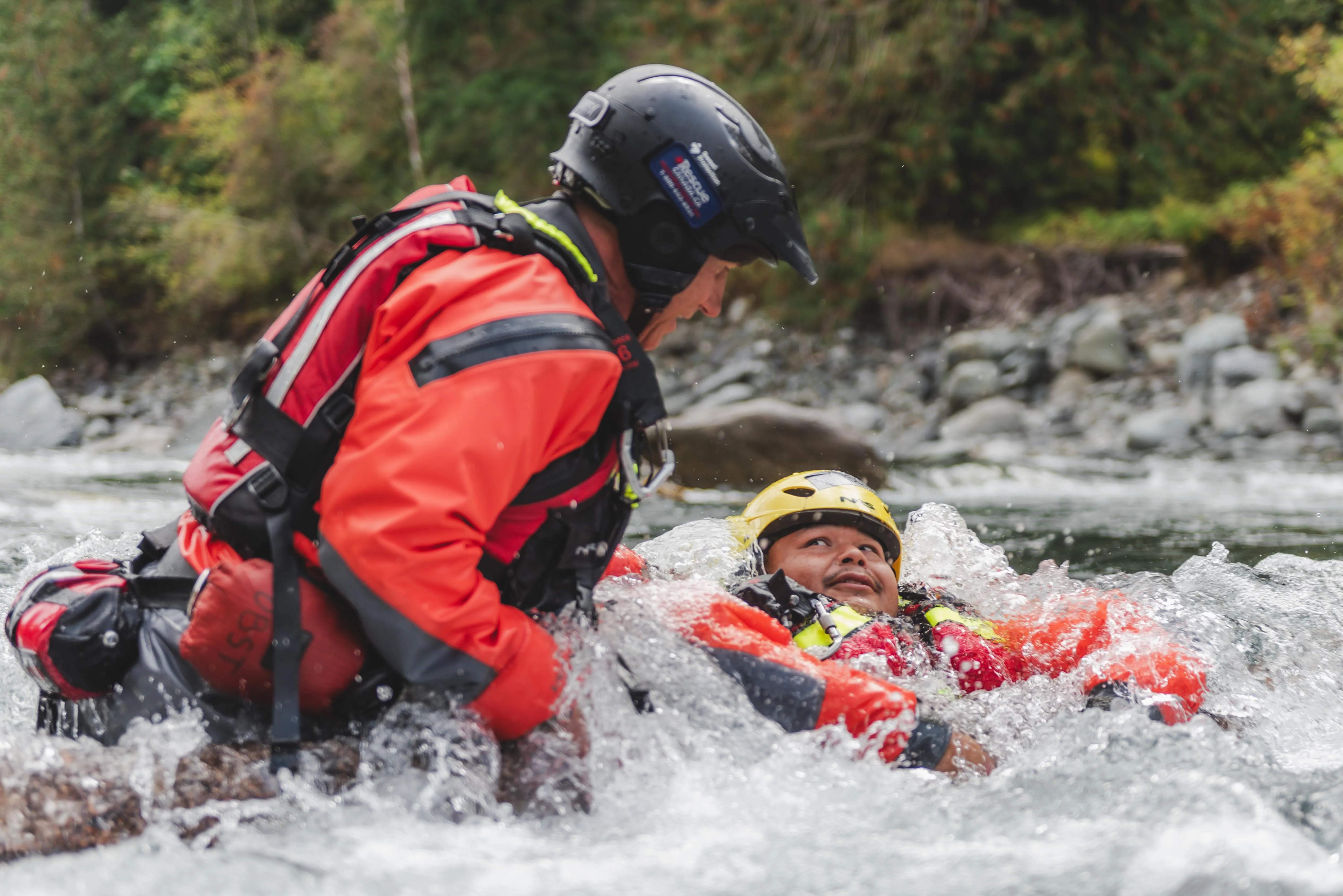
Be Competent.
Be Qualified.
Be Ready.
Your certificate means something. This page explains why.
This page is for students, employers, and anyone who wants to know exactly what Rescue Canada training represents. Your certificate is backed by internationally recognized standards. Here is what that looks like in practice.
Your Certification Body: IRIA
Rescue Canada programs are accredited through the International Rescue Instructors Association (IRIA), a not-for-profit organization built on evidence-based standards drawn from real incident and accident analysis worldwide.
IRIA is not a rubber stamp. It exists because the rescue and safety training industry has historically been fragmented. Strong instructors and legitimate programs isolated in silos with no shared standard connecting them. IRIA fills that gap as a neutral, international hub focused entirely on instructor performance and training quality.
When your Rescue Canada certificate references IRIA, it means your training was evaluated against a standard built from actual field data, not opinion.
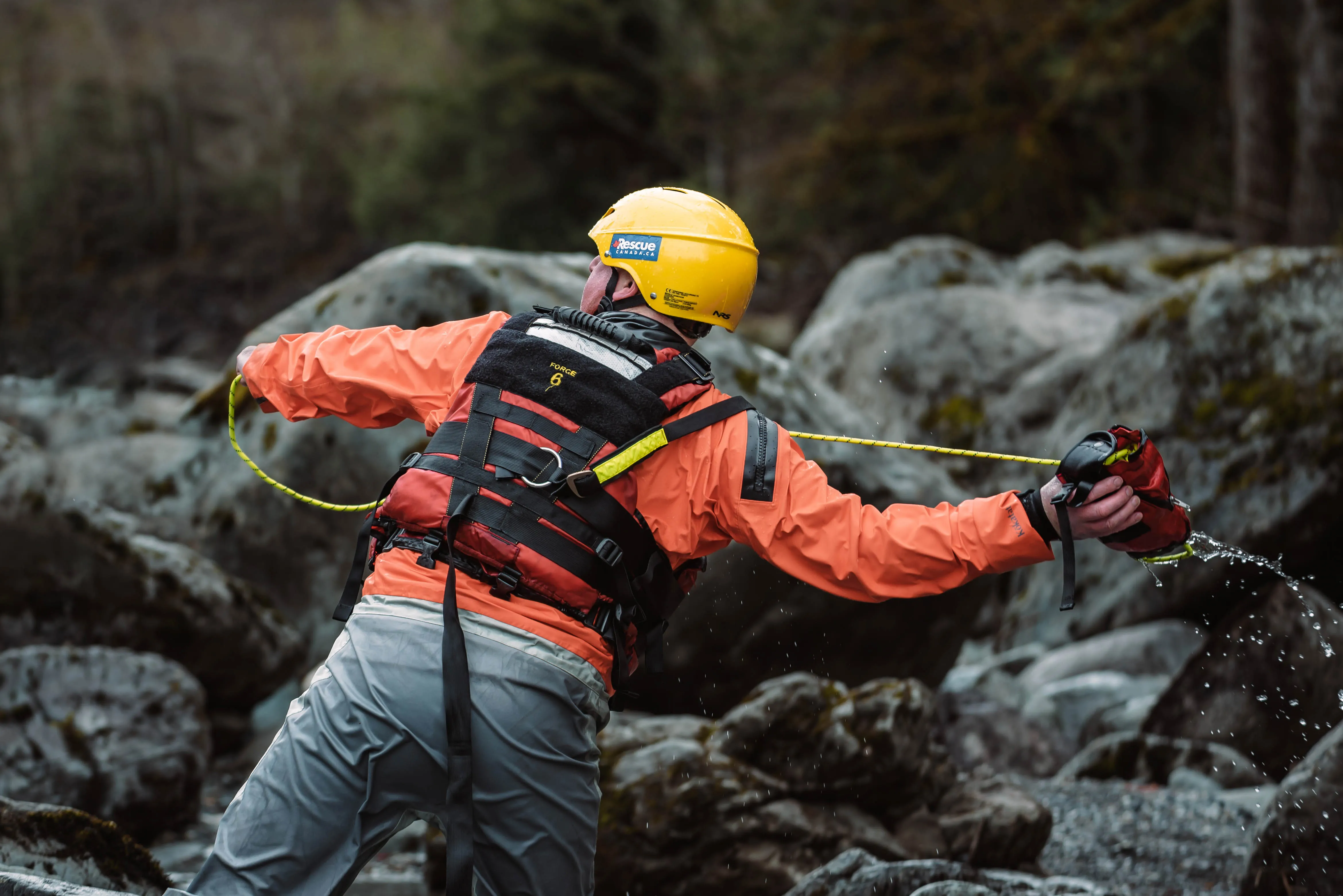

What IRIA Accreditation Means for You
Your training was delivered by instructors qualified under international standards. Your course materials and performance were assessed against the IRIA Risk Management Matrix. Your certificate is recognized across IRIA member programs globally.
Visit iria.org to learn more about the organization, its board, and its accreditation process.
Keeping Your Certification Active
Certification does not renew itself. Depending on your discipline, you may be required to log field hours, attend refresher training, or complete a formal renewal course before your certificate expires.
Check your course materials for the specific compliance requirements tied to your level and discipline. If you are unsure of your renewal timeline or what is required, contact us directly and we will help you figure out the right path forward.
If Your Certification Is Revoked
Rescue Canada takes the integrity of its certifications seriously. A certificate can be revoked for negligence or for a certificate holder who refuses to apply the methods and standards they were trained under.
Revocation follows a formal process: inquiry, investigation, and committee review. Remedial outcomes can include mandatory peer mentorship or required re-attendance of course materials. This process exists to protect both the public and the value of the certification you earned.

Standards Your Training is Built On
Rescue Canada courses are designed to meet and often exceed the standards set by the following organizations. Depending on your course and discipline, some or all of these may apply.
Primary Certification Body IRIA - International Rescue Instructors Association
Safety and Occupational Standards OSHA, CCOHS, WorkSafe Canada, CSA (Canada Safety Association)
Marine and Waterborne Canadian Coast Guard (CCG), United States Coast Guard (USCG), NASBLA, SOLAS
Fire and Emergency Services NFPA (National Fire Protection Association), FEMA
Testing and Materials ANSI, ASTM International
Risk Management Framework ISO 31000, the international standard for risk management used as a foundational reference across Rescue Canada's program structure
Continuing Education IACET, International Accreditors for Continuing Education and Training
FAQs
Have questions about our courses, certifications, or registration process? Here are some of the most common questions students ask before training with Rescue Canada.
Yes. Because Rescue Canada programs are accredited through IRIA, your certification is recognized across IRIA member organizations globally. Geographic recognition tiers are linked to IRIA regions: North America, South America, Africa, Asia, Europe, and Oceania.
Each course has specific gear and prerequisite requirements listed on its course page. Most disciplines also require the online e-learning awareness module to be completed before your first day in the field.
The awareness modules for Swiftwater, Ice, and Helicopter disciplines are prerequisites for the in-person courses. They take up to four hours to complete and are self-paced. Completing them before you arrive means your field time is spent on performance, not theory.
Call us at 1-800-663-8931 or reach out through the contact page. We are based in Chilliwack and have been doing this for over 40 years.