.webp)
Our Training Courses
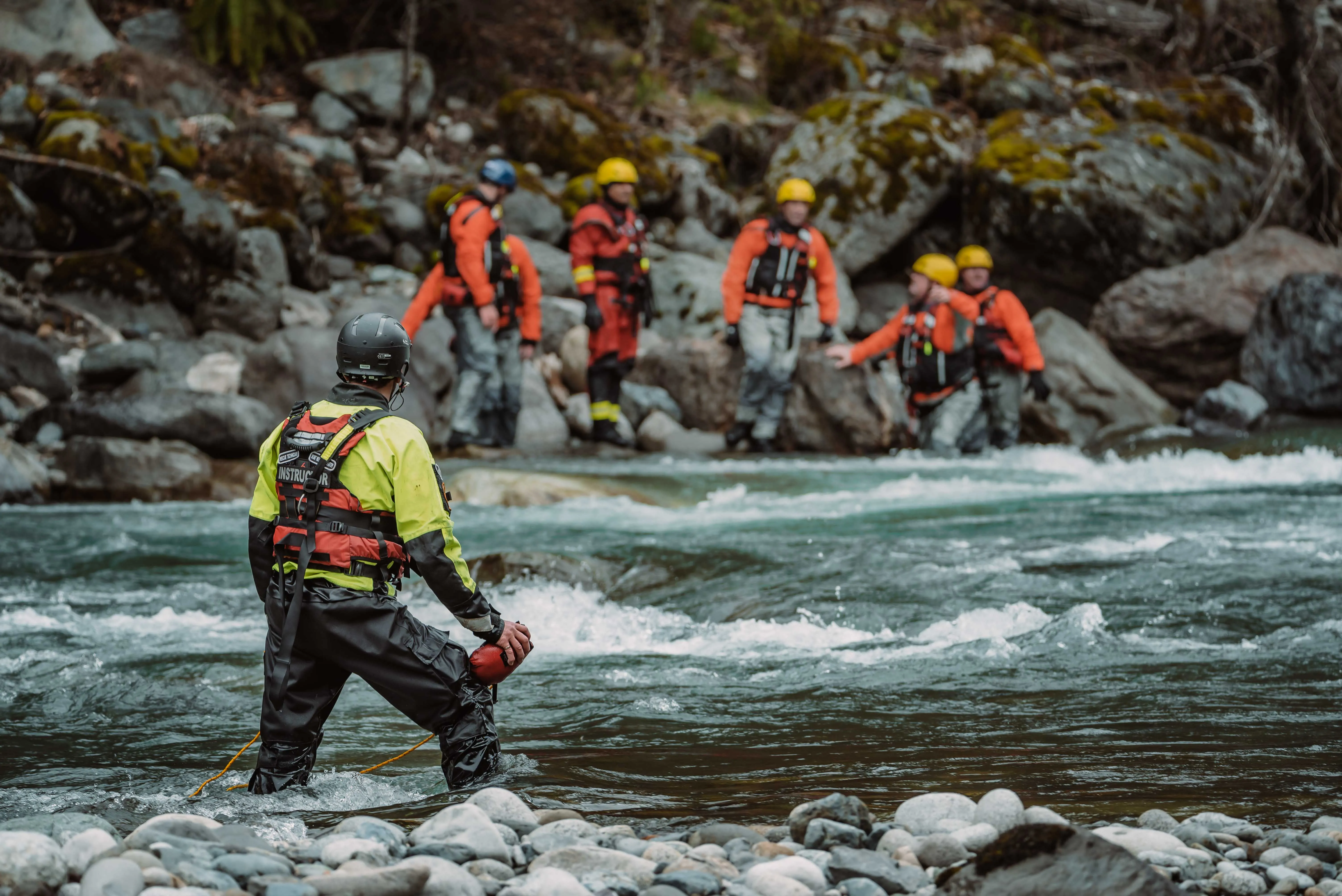
Build Real-World Skills. Earn Trusted Certifications.
At Rescue Canada, we offer specialized safety and rescue training designed for professionals, first responders, and outdoor adventurers across Canada.

E-Learning Courses
Can’t attend in person? Get started online with our self-paced safety awareness courses. Learn the fundamentals of swiftwater, rope, helicopter, and ice rescue from anywhere, at your own pace.
Rescue Training Courses
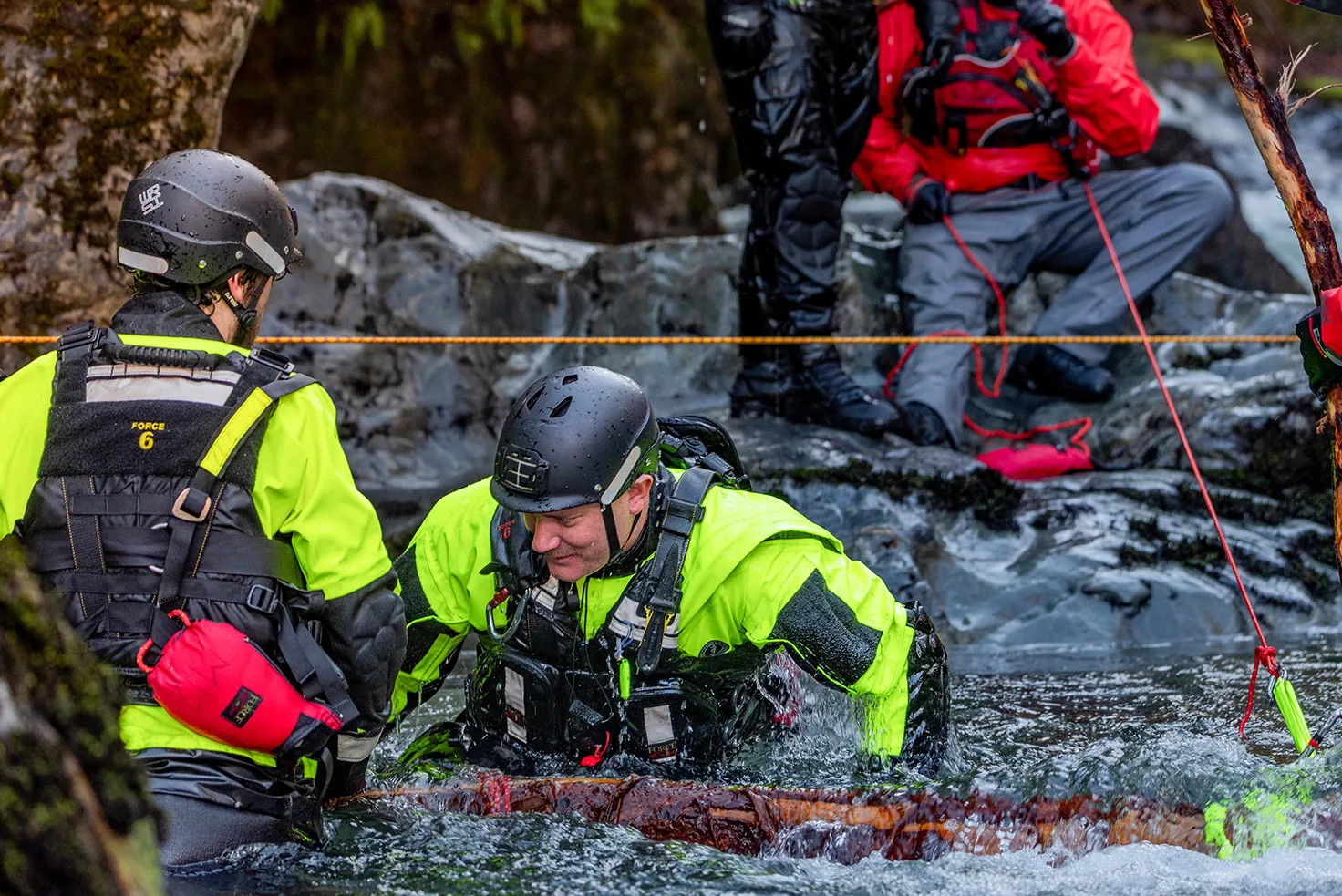
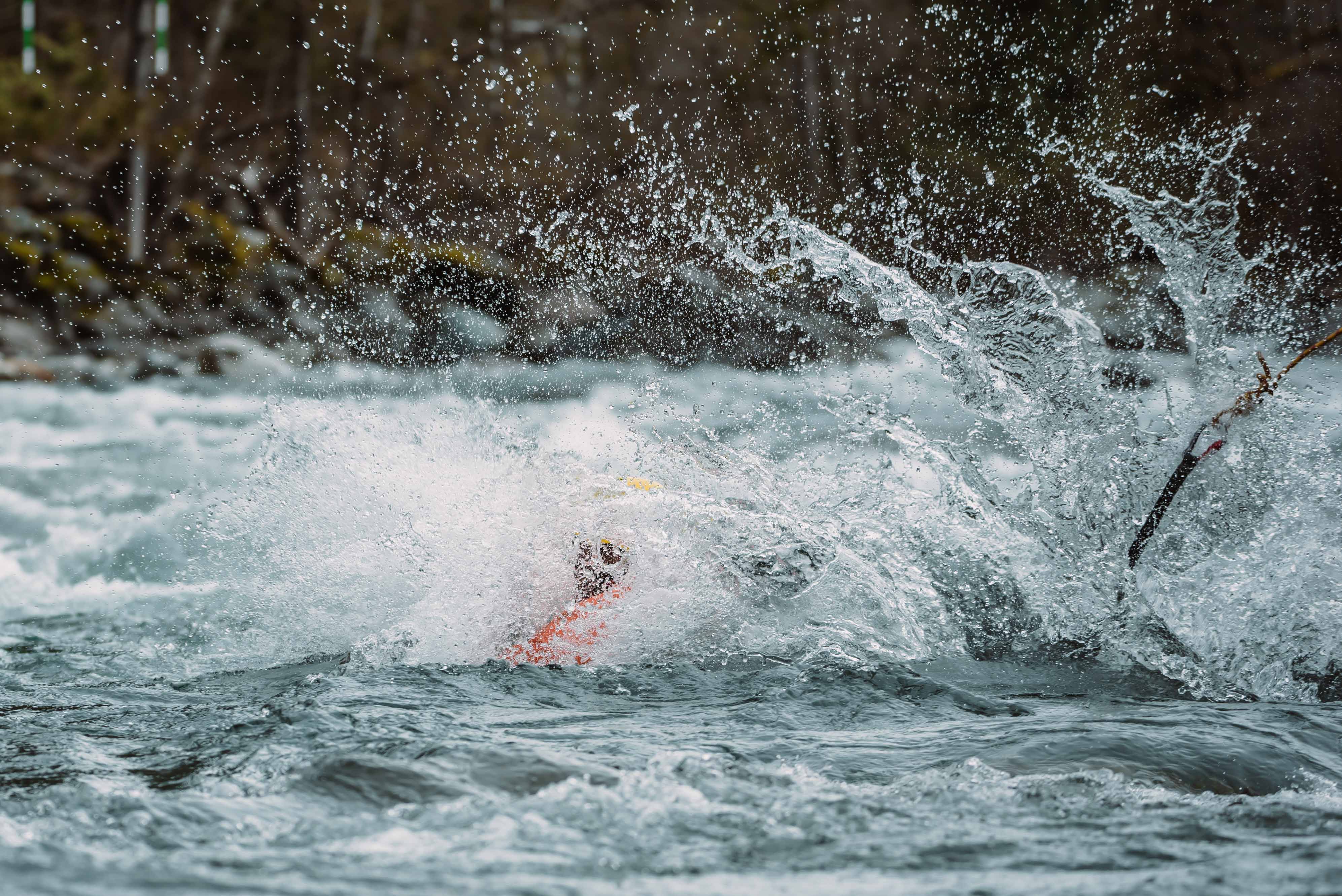
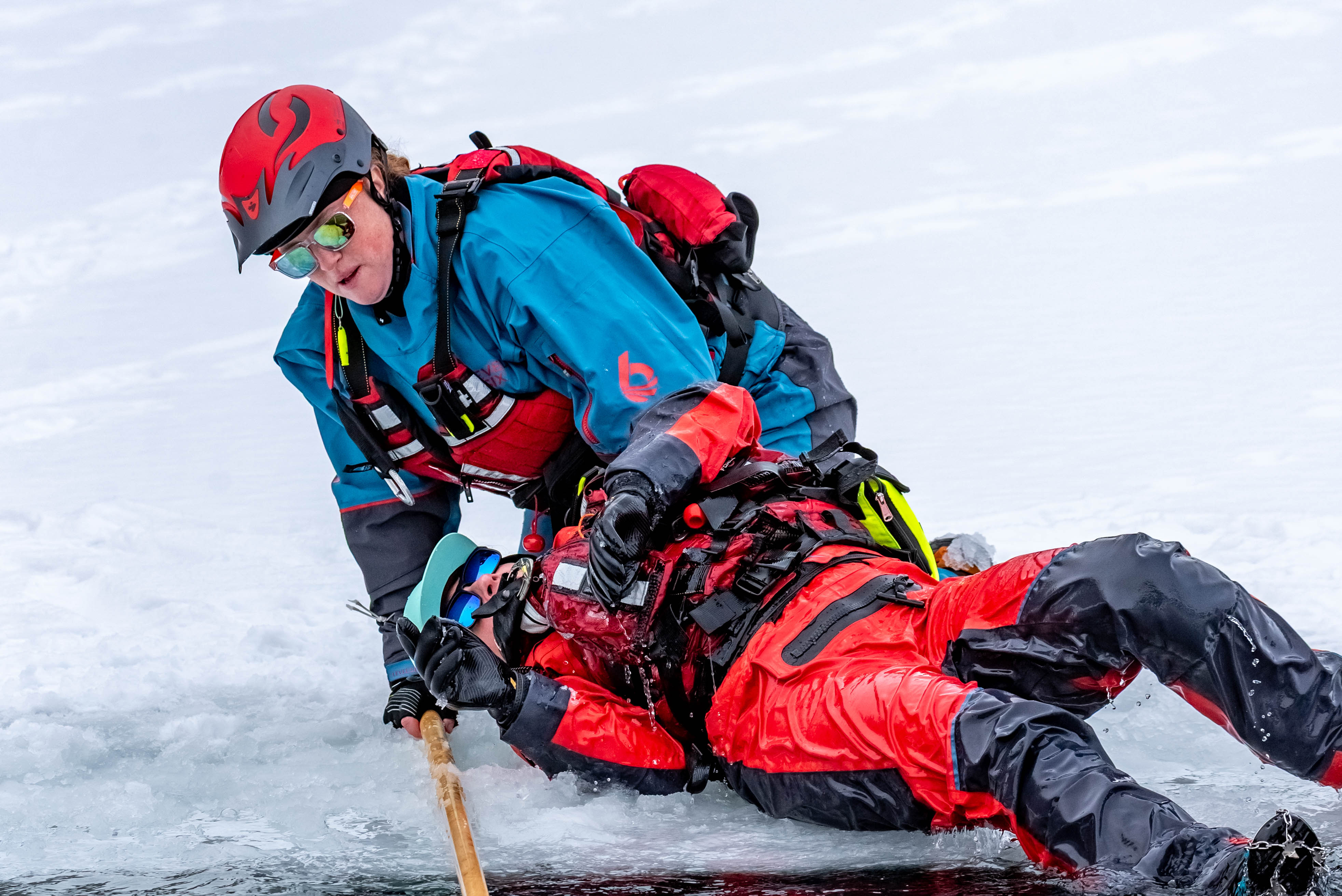
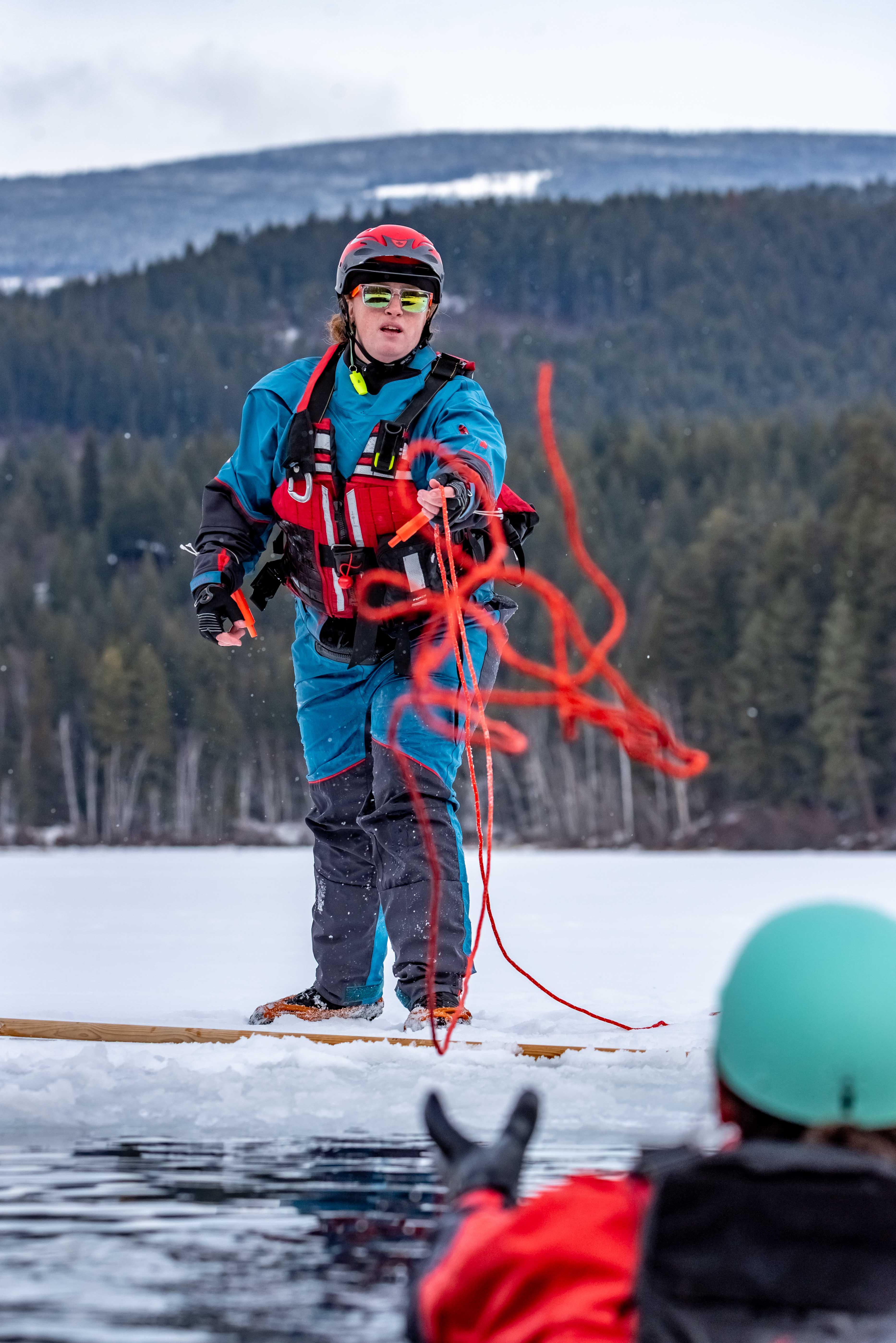
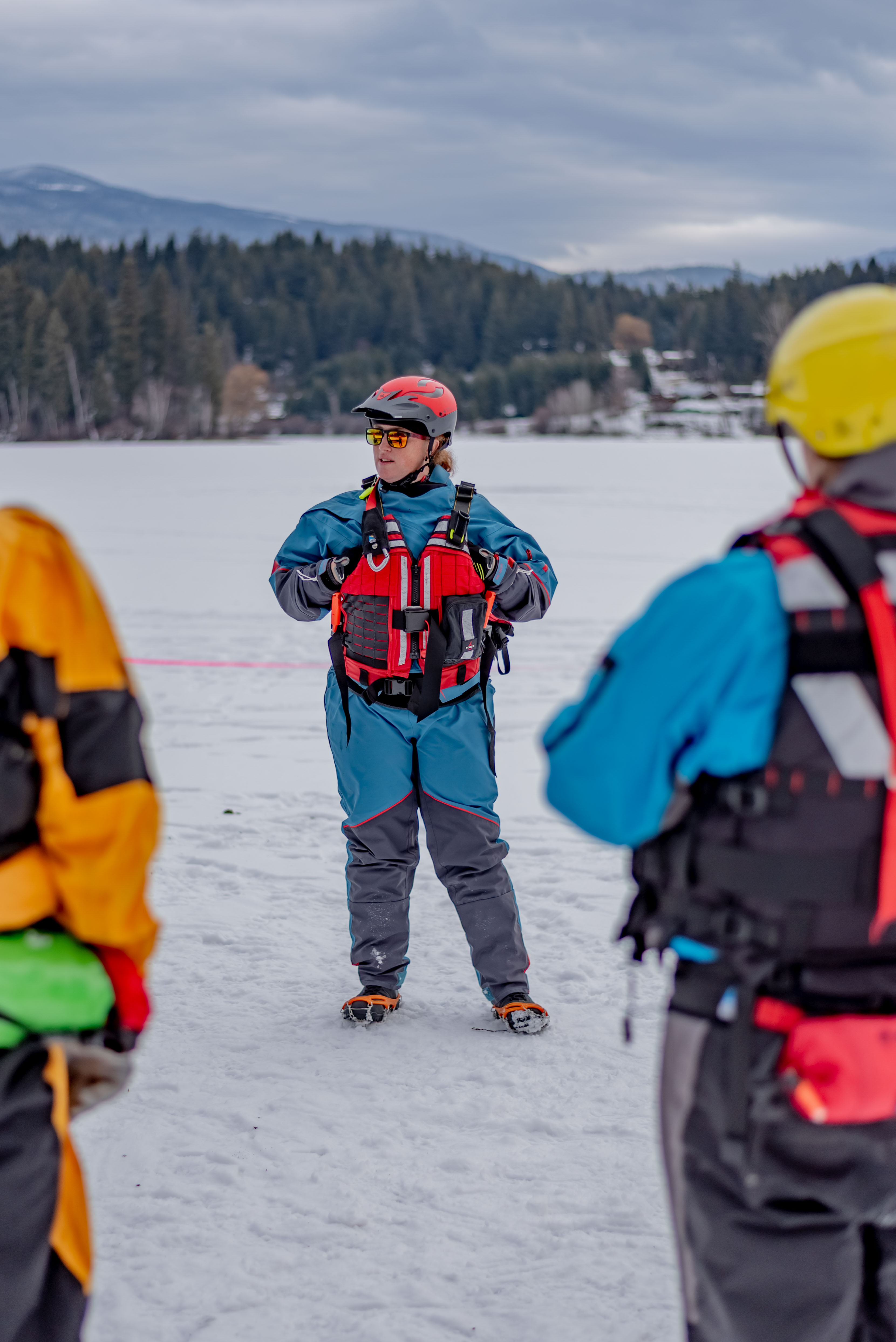
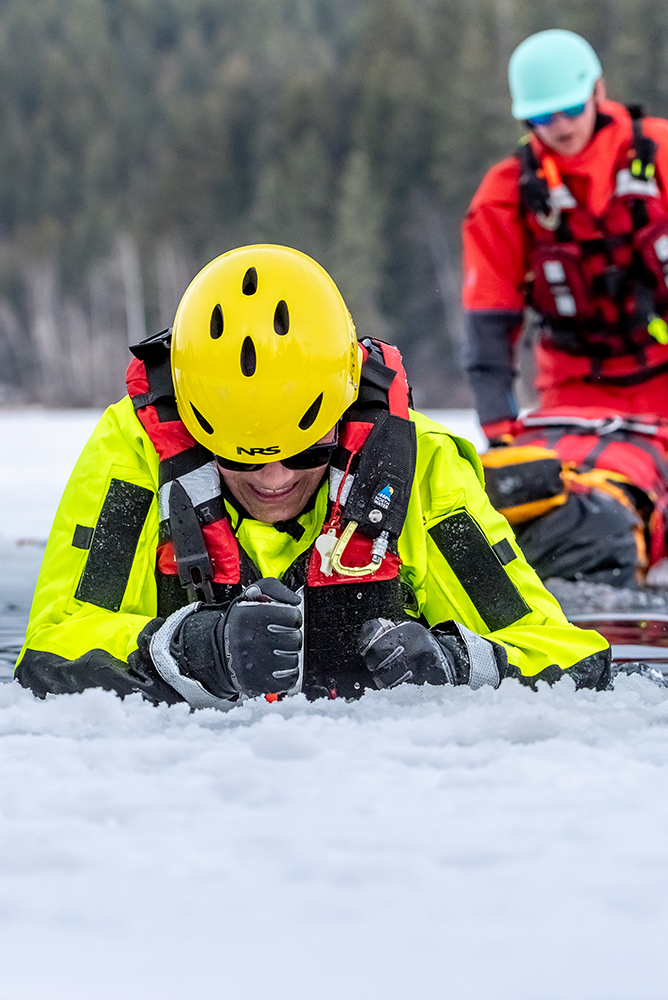
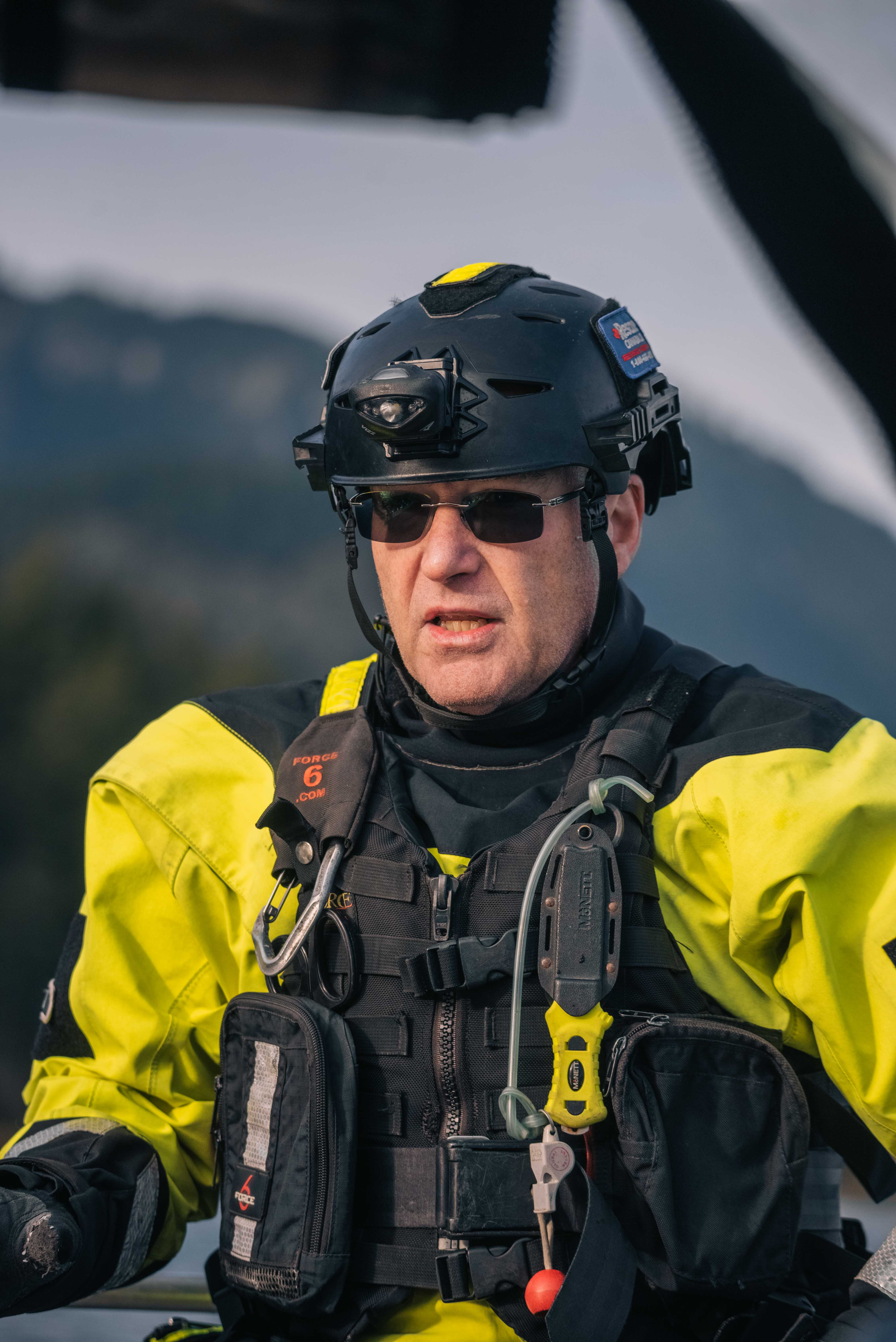
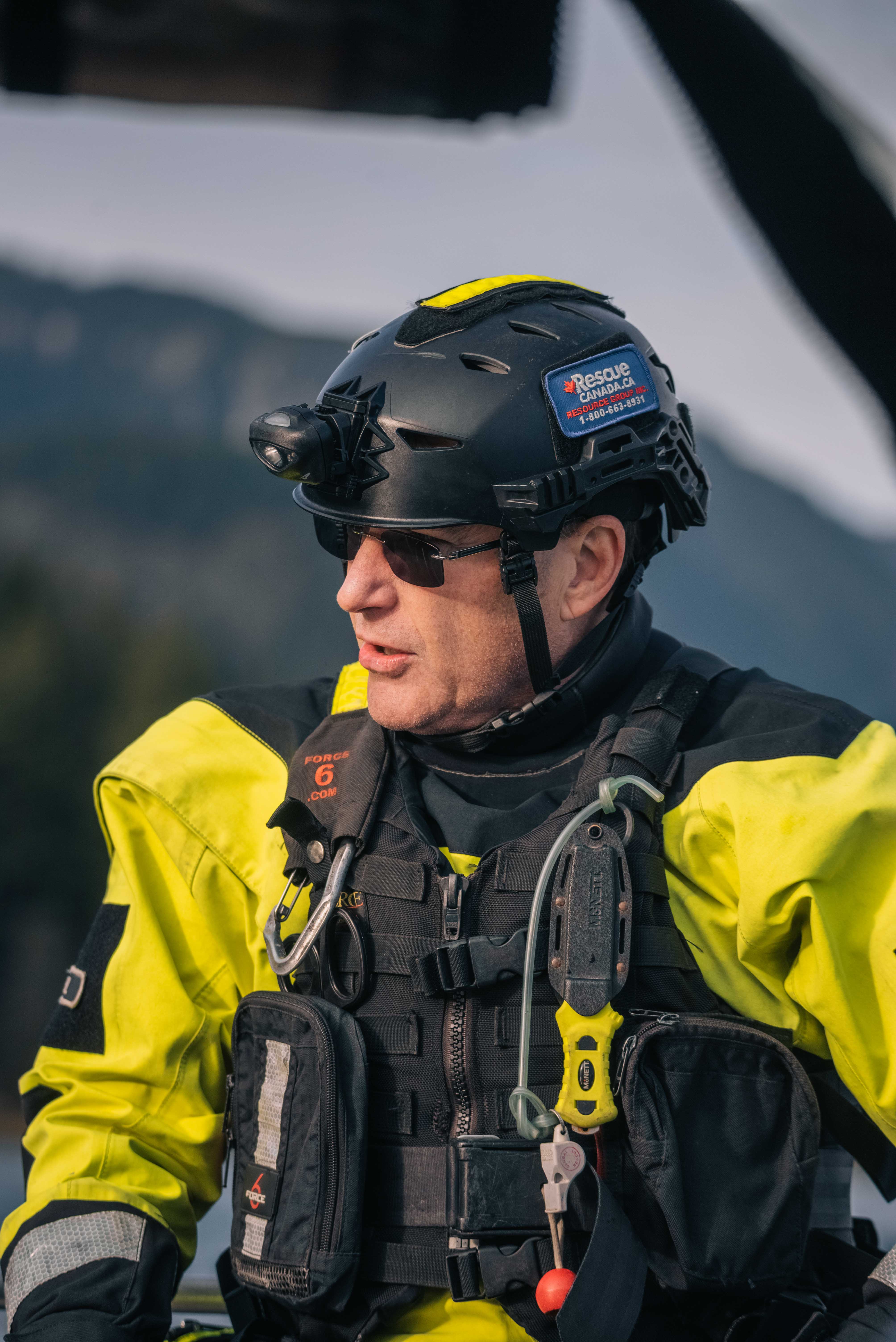
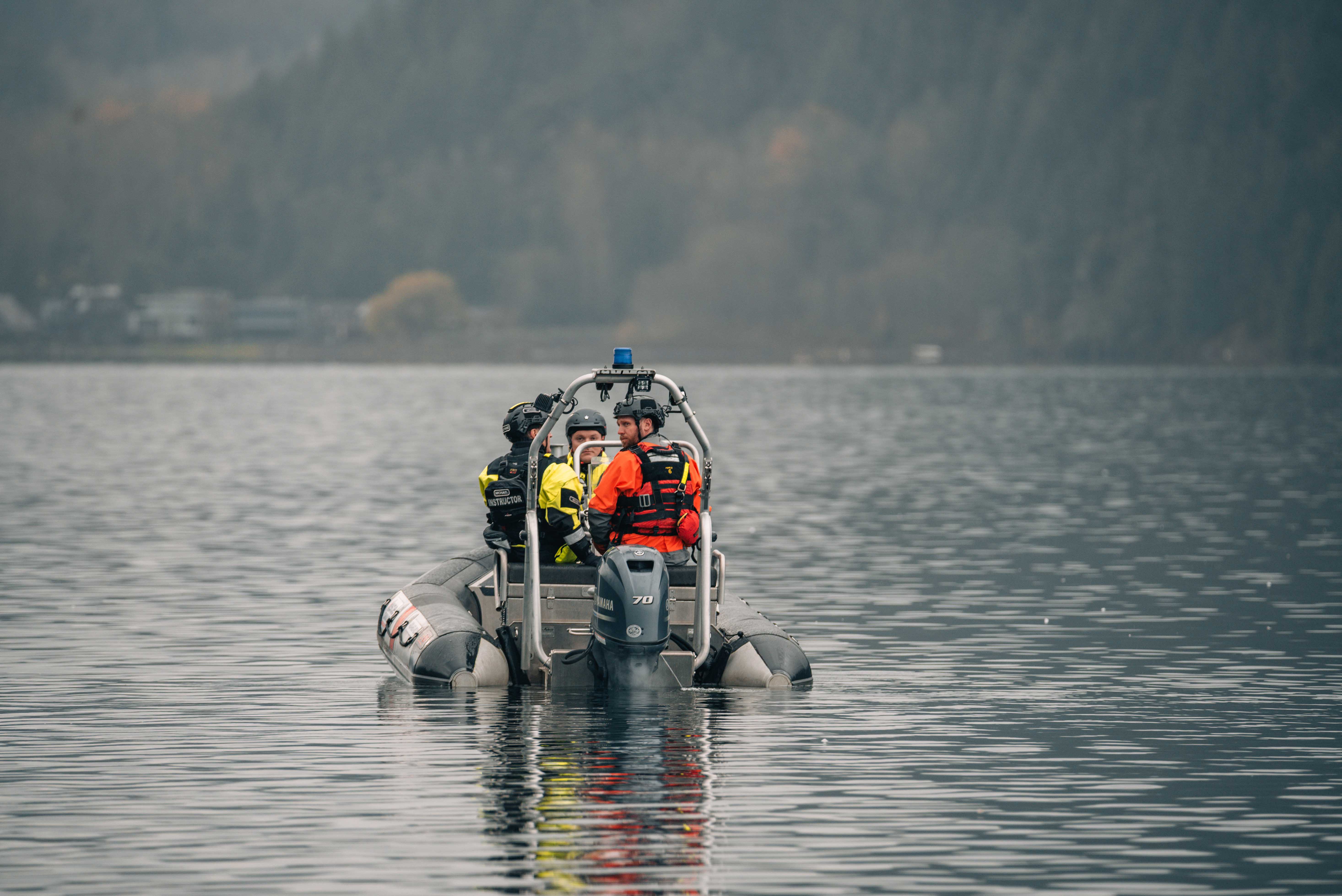
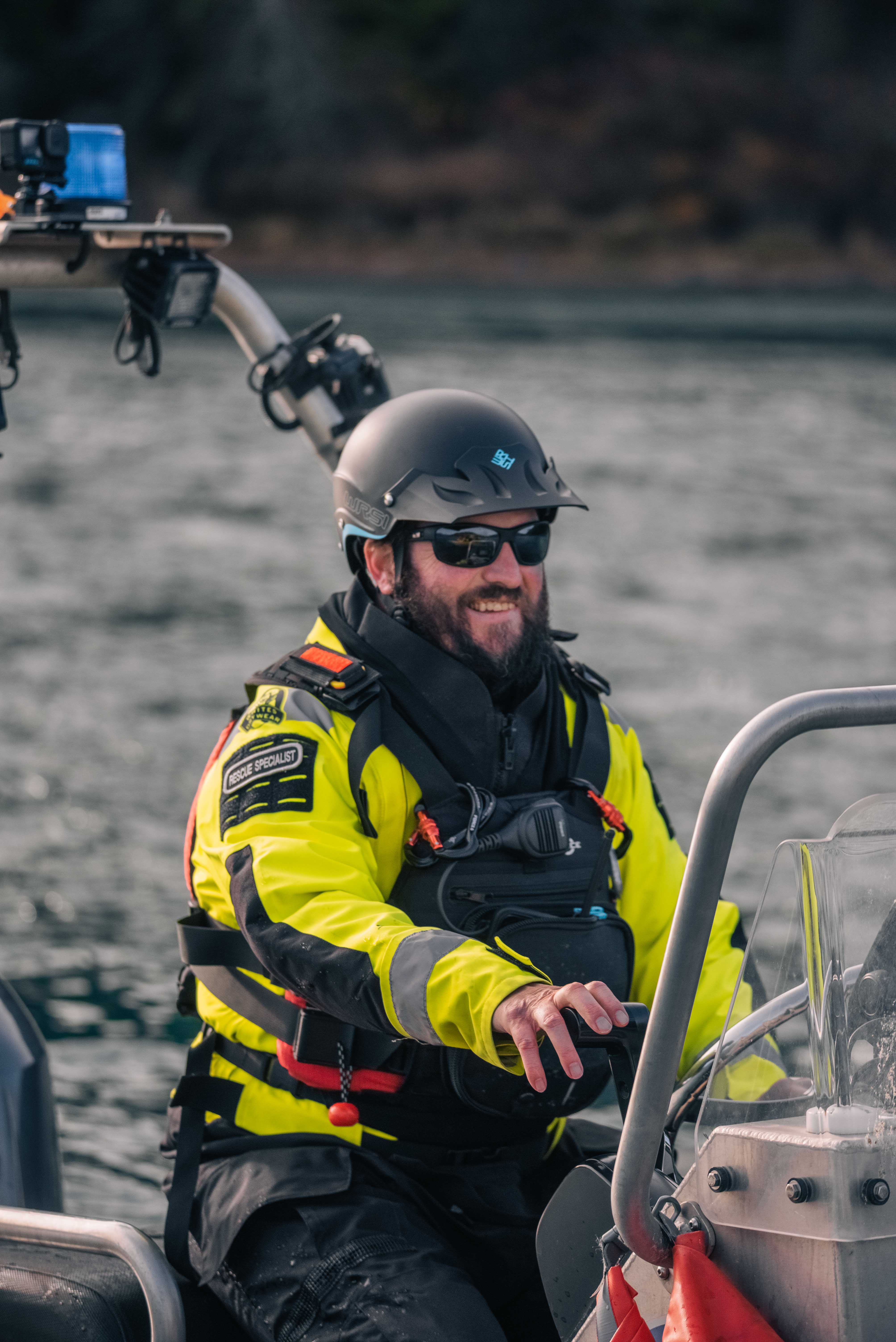
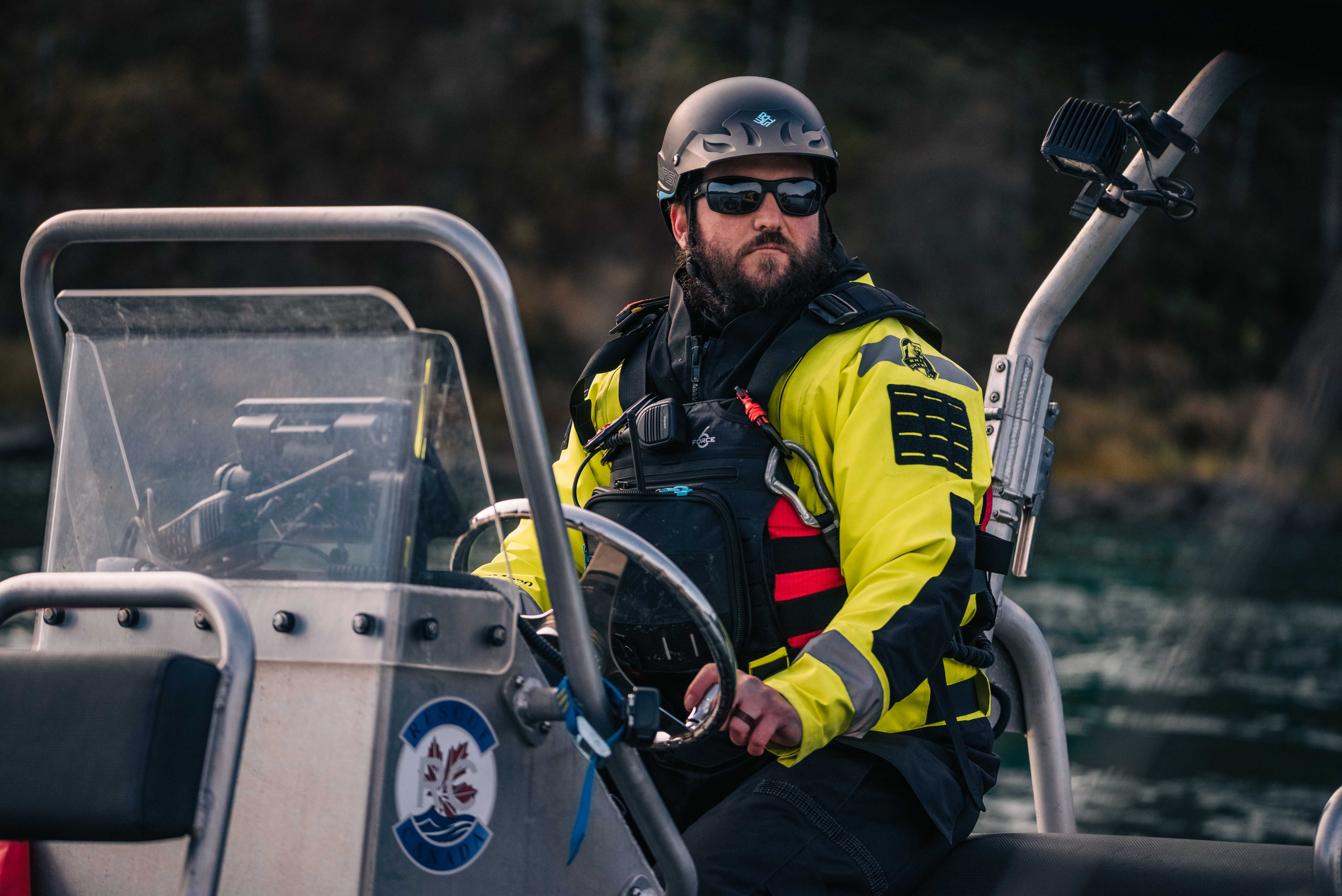
Each course is performance-based, hands-on, and taught by certified instructors with real operational experience. From swiftwater and rope rescue to helicopter and ice safety, our programs prepare you for real challenges — safely and confidently.

You've Got Questions?
We've Got Answers.
Have questions about our courses, certifications, or registration process? Here are some of the most common questions students ask before training with Rescue Canada.
Start with your environment and your role. If you work near moving water, the Swiftwater Safety Rescue program is your starting point. If your job takes you onto frozen lakes or rivers, the Ice Safety Rescue course is designed for that. Rope, helicopter, and boat courses each address specific environments as well.
Your employer often determines the required certification level. Resource management workers and guides typically need a Level 2 certification. Emergency responders and rescue teams are usually looking at Level 3 or higher. If you are not sure where to start, reach out directly. We will ask a few questions about your work environment and walk you through the right starting point.
Public courses run on a set schedule at designated locations. You register as an individual, show up with other students, and train together. These are a good fit for individuals or small groups who want to plan around an existing calendar.
Private courses are scheduled specifically for your team or organization. You pick the location, pick the dates, and get a minimum of 8 students together. The training is customized to your environment and your specific needs. If you are running a resource management crew or emergency service team, a private course is usually the better fit. Contact the office to get a Training Agreement started.
Yes. Rescue Canada courses meet and often exceed all applicable industry standards in Canada, including IRIA (International Rescue Instructor Association), NFPA 1006, NFPA 1670, WorkSafe BC, ASTM, IACET, Transport Canada, and the Canadian Coast Guard. Our Master Rescue Instructors are recognized as court-admissible subject matter experts.
Rescue Canada certifications are accepted by RCMP, fire departments, Parks Canada, Environment Canada, Department of Fisheries and Oceans, resource management groups, post-secondary institutions, and professional guide associations. If you have a question about whether your certification will be accepted by a specific employer or regulatory body, contact us and we will confirm.
Certifications are valid for 3 years from the date of issue. After 3 years the certification expires and a full course is required to reinstate it.
If your certification is no longer valid or you have been lapsed for more than 6 months, you are registered as a New Student. If your certification is still current and you are within the 3-year window, you qualify as a Re-cert Student, which typically means a shorter course duration and a reduced rate.
Do not let your certification lapse if you can help it. Keeping it current is simpler and less expensive than starting over.
Our courses meet and in many cases exceed the following standards: International Rescue Instructor Association (IRIA), NFPA 1670, NFPA 1006, Emergency Management of British Columbia, WorkSafe BC, ASTM, IACET, Transport Canada, Canadian Coast Guard (CCG), United States Coast Guard (USCG), CCOHS, and ISO.
Every course we deliver is built on research and evidence-based methodology, not just checkbox compliance. This matters when an incident is reviewed after the fact and the question is whether your team was trained to the recognized standard of care.
For most entry-level courses, no prior rescue experience is required. Level 1 courses are designed for people new to the environment, and the online awareness course that serves as a prerequisite is self-paced and takes roughly 4 hours to complete.
For higher-level certifications (Level 3 and above), you must hold the prerequisite certification from the lower level. You cannot skip levels. This is not a formality. The skills at each level build directly on what came before, and arriving without the foundation puts you and your team at a disadvantage on course.
If you are unsure whether you meet the prerequisites for a specific course, contact the office before registering.
Course-specific gear lists are provided when you register. Generally, you should come prepared for extended time outdoors in Canadian conditions. That means layered clothing, weather-appropriate footwear, sun protection, and enough food and water for full days in the field.
If you are taking a water-based course and need a drysuit, PFD, helmet, or other specialized equipment, Rescue Canada offers rentals. Rental requests need to be submitted to the office at least 3 weeks before the course start date so the equipment can be confirmed and, if needed, shipped. Do not wait until the last minute on this. Late rental requests may not be possible to accommodate.
Public course fees include your eLearning prerequisite access, all instruction and scenario training during the course, and your certification upon successful completion. Equipment rentals are separate and charged at the time of course confirmation.
Private course fees are outlined in a Training Agreement specific to your group and depend on location, course level, and number of participants. Contact the office for a quote.
If you cancel more than 14 days before the course start date, you receive a refund of your course tuition minus the non-refundable deposit. If equipment has not been shipped yet, you also receive a full equipment refund. If it has shipped, the rental fee is refunded minus a $25 restocking fee and shipping costs.
If you cancel with fewer than 14 days' notice, no tuition refund is issued. The deposit portion of your tuition can be applied to a future Rescue Canada course within one year. Equipment refunds depend on whether the gear has already shipped.
If you do not show up and did not cancel, the full tuition is charged. No refund is available, except in the case of documented injury or extenuating circumstances reviewed on a case-by-case basis.
To cancel, contact the office directly and receive written confirmation of the cancellation. A verbal or email notice that is not confirmed does not constitute a formal cancellation.
Yes. This is one of the core reasons organizations come to us rather than sending employees to an open course. For private courses, we travel to your location and train your team in your actual environment using the terrain, waterways, and conditions your people work in every day. That specificity is what makes the training stick.
We have delivered courses across Canada and internationally, including the United States, Norway, Iceland, India, and China. Geography is not a barrier. Contact the office to discuss logistics and get a Training Agreement started.
Yes. Training is one part of what we do. We also provide certified rescue technicians for on-site standby rescue when your operation requires it, site and task risk assessments with written documentation, site access support for complex or technically challenging environments, and safety and rescue consulting to help your organization build or review its standard operating procedures and training requirements.
If your project involves elevated risk and you need qualified personnel on standby rather than a full training program, that is a service we provide. Call or email the office to discuss.
Yes. We will travel to your site, evaluate the operational environment, identify the rescue and safety risks specific to your work, and provide a written assessment with clear recommendations. That document might conclude that training is the right solution, that standby rescue coverage is needed, or that both are required.
Risk assessments are most commonly requested by resource management companies, industrial operators, municipalities, and emergency services planning new operations in challenging environments. If you are not sure whether your site warrants an assessment, that question is worth a phone call.
Rescue Canada offers self-paced online awareness courses in Swiftwater, Ice, and Helicopter. Each course takes up to 4 hours to complete and serves as the prerequisite for the corresponding hands-on safety rescue program.
These online courses are not a substitute for practical training. They build the theoretical foundation that makes the in-person course more efficient and more effective. Showing up to a practical course without completing the prerequisite puts you behind from day one.
Online access is granted for 30 days from registration. If you do not complete the course within that window and need reactivation, there is a $25 processing fee per reactivation. The 30-day window starts from the date of registration, not your first login.
Yes. Rescue Canada offers youth programs designed to introduce young people to rescue awareness and water safety skills in a structured, practical setting. These programs are not watered-down versions of the professional courses. They are age-appropriate, scenario-based, and built around the same performance-based methodology we use for adults.
We also offer public courses in most major course categories. If you are an individual looking to build personal safety skills rather than meet a workplace requirement, public courses are open to registration. Check the course calendar or contact the office for upcoming dates near you.
Rescue Canada has been operating for over 40 years. Our Master Rescue Instructors are recognized as court-admissible subject matter experts in their fields. That is not a marketing claim. It is the result of a long track record of training people who go into real environments and perform.
We do not deliver generic training adapted from somewhere else. Our curriculum is performance-based, research-backed, and customized to the student's actual work environment. We also operate as a fully integrated safety and rescue organization, which means training, standby services, risk assessments, and consulting all come from the same team.
When the question is who is going to prepare your people to respond effectively in a real emergency, the answer needs to be someone who has been doing it for decades, holds recognized international credentials, and builds every course around what happens when things actually go wrong. That is what Rescue Canada has built, and it is what we continue to deliver.