.webp)
Can Rescue Canada Come to Our Worksite or Location?
Why On-Site Training Beats a Generic Training Ground
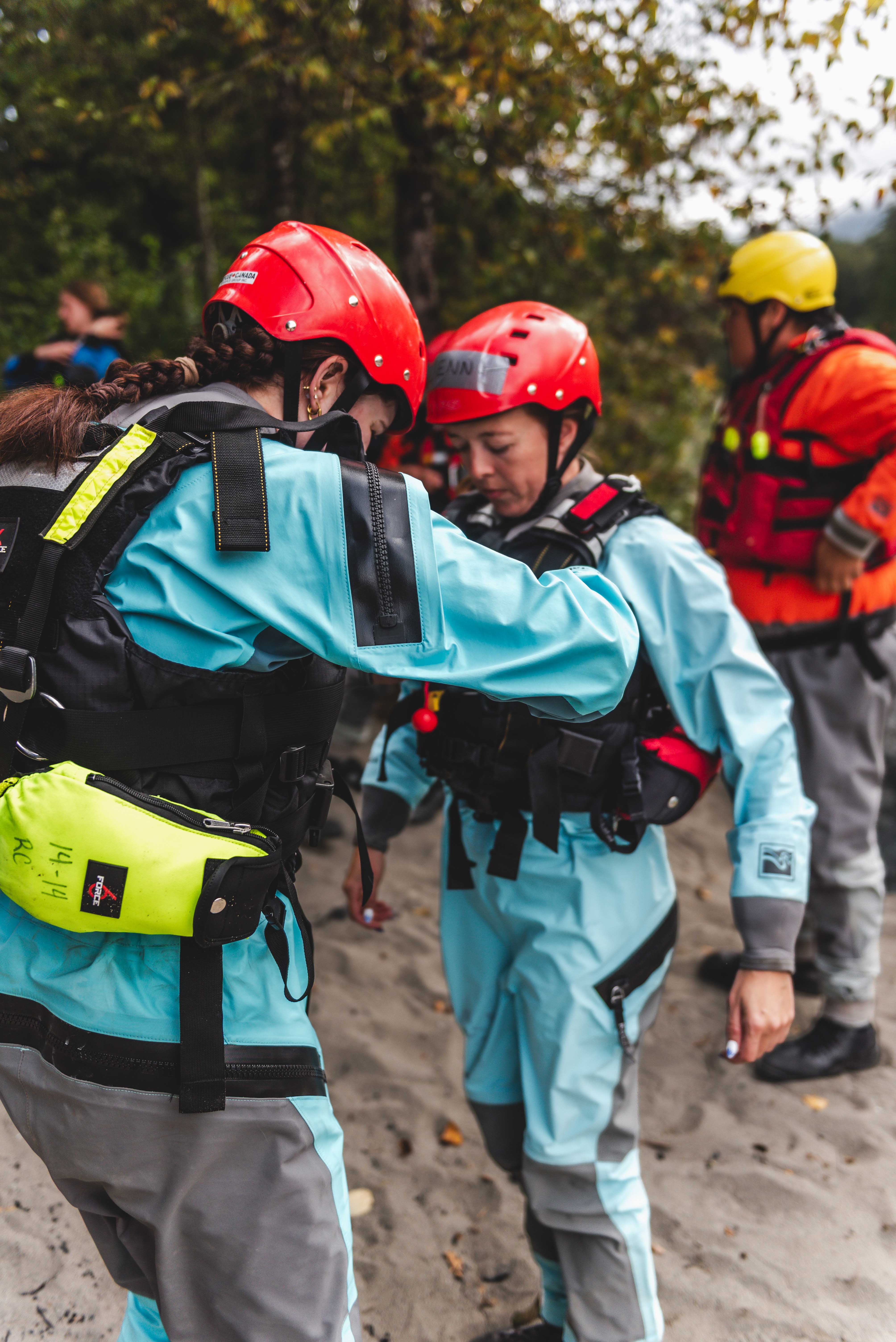
There's a meaningful difference between training in a controlled, generic environment and training on your actual site, with your actual equipment, under conditions that resemble what your crew will genuinely face. A resource management crew that trains on the specific stretch of river they work gets more operationally relevant training than one bussed to a standard training location hours away. An industrial crew working near a specific hazard profile benefits from scenarios built around that exact hazard, not a generalized version of it.
On-site training also removes a practical barrier that keeps a lot of organizations from getting their people trained at all: travel time, logistics, and the disruption of pulling an entire crew away from a worksite for multiple days. When we come to you, training fits into your operation instead of requiring your operation to pause and relocate.
How On-Site Training Gets Built
On-site delivery runs through Rescue Canada's private course process. That starts with a conversation about your operation: what environment your crew works in, what specific hazards and tasks define the job, how many people need training, and what timeline you're working with. From there, we build a Training Agreement that lays out the scope, schedule, and terms specific to your organization.
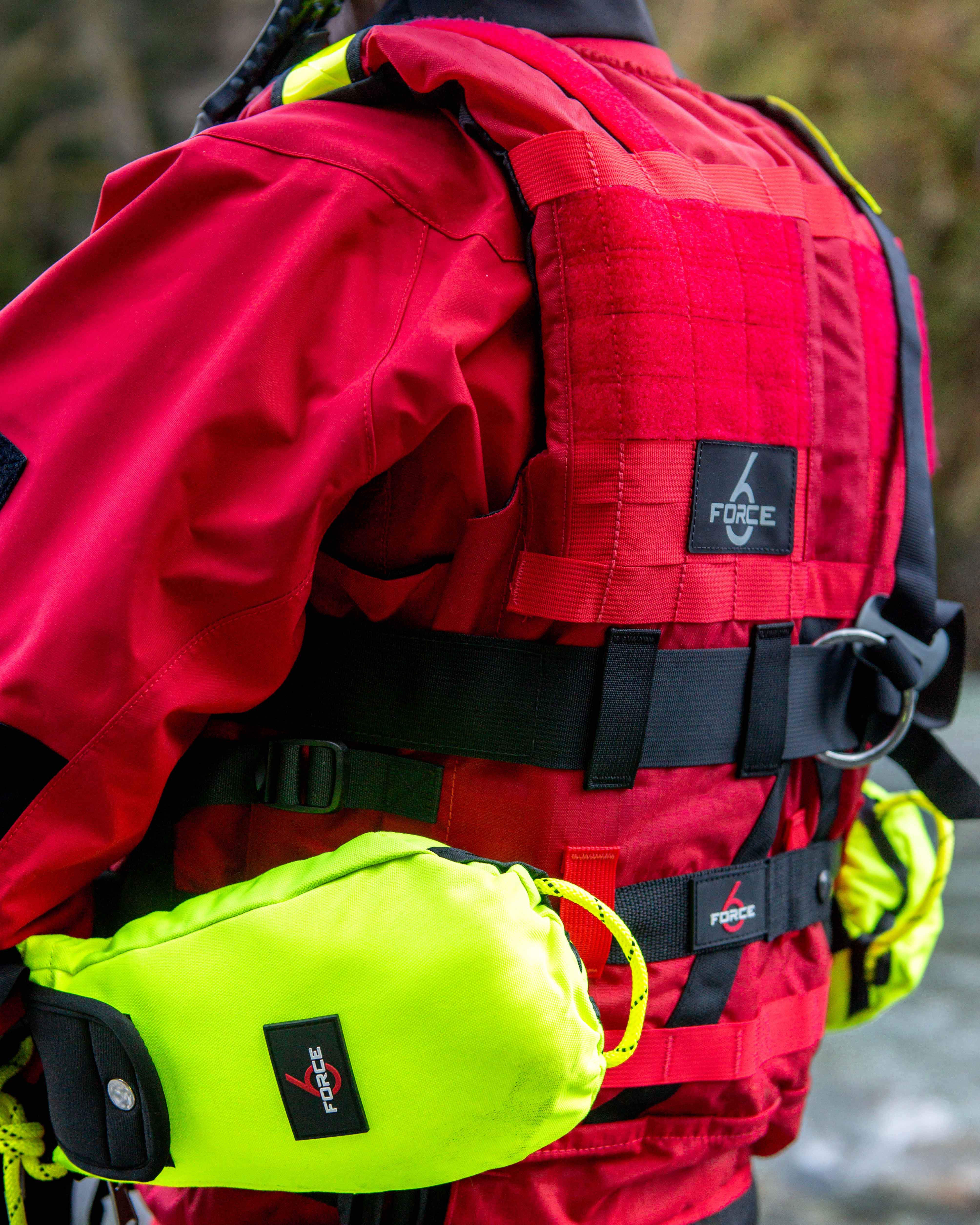
Because it's a private course built around your team rather than an open enrollment session, we have the flexibility to shape the curriculum around your actual operational realities. A course delivered on your worksite can incorporate your specific equipment, your access points, your typical hazards, and even scenario-based training that mirrors situations your crew is realistically likely to encounter.
What If You Don't Have a Full Crew to Train?
Private, on-site courses generally make the most sense when you've got a group to train together. If you've only got one or two people who need certification, a public course, delivered at a scheduled Rescue Canada location, is usually the more efficient path. Public course locations run on a simple threshold: once we've got enough interest for a location near you, we schedule a date and confirm the session.
Either way, the goal is the same: getting your people trained without unnecessary friction, whether that means bringing the course to your site or getting you into a session that's already running near you.
Site Access Beyond Training
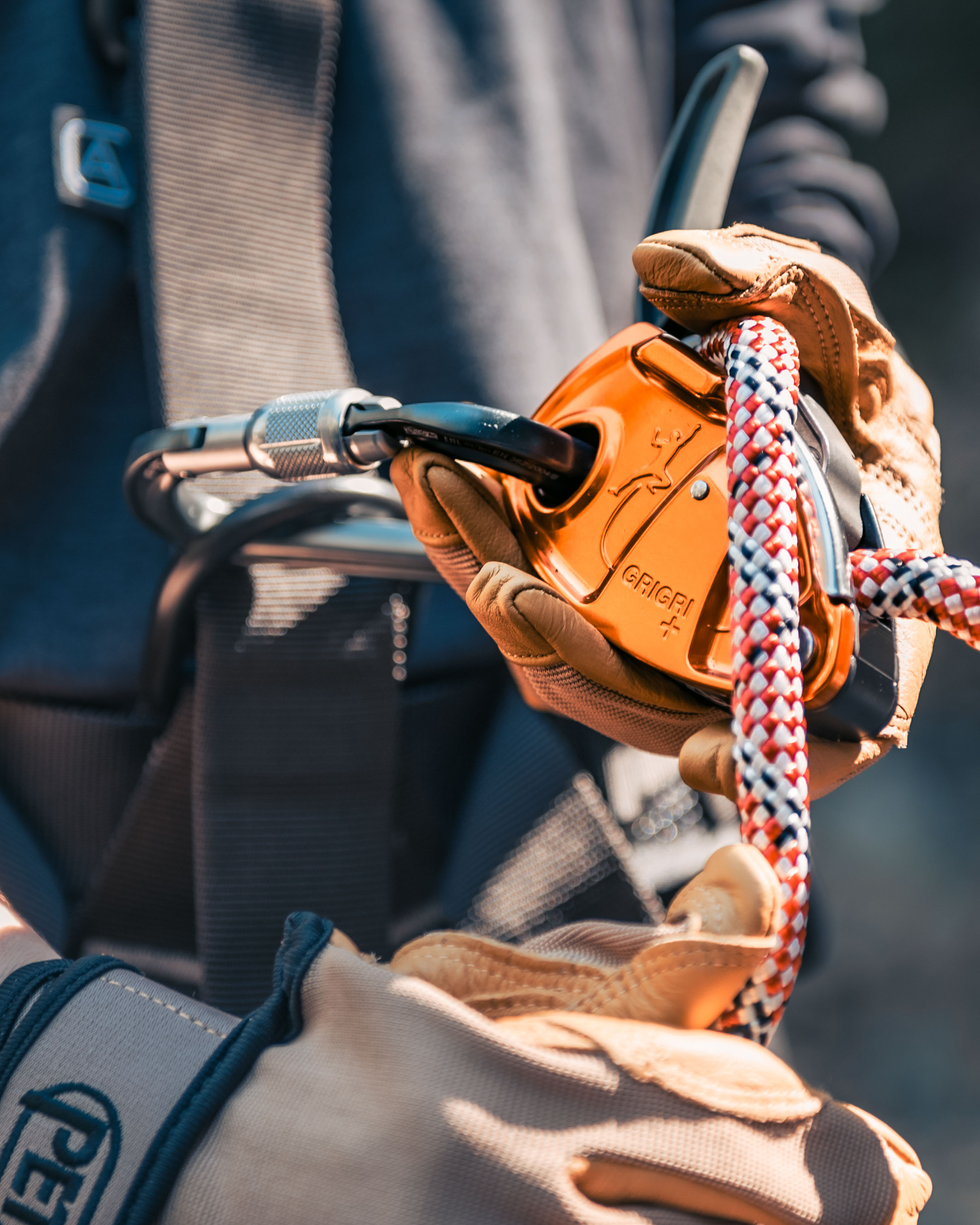
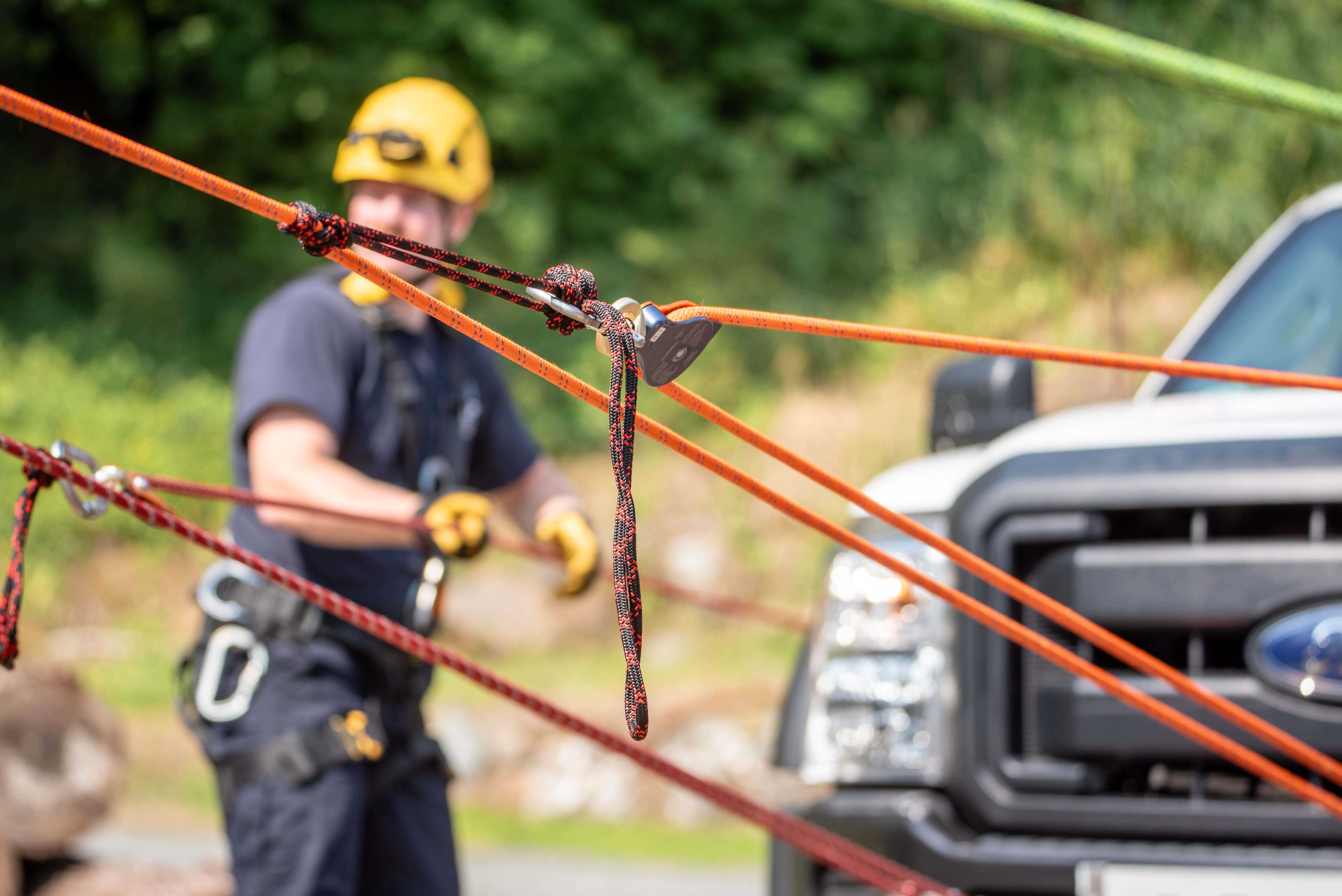
On-site work with Rescue Canada isn't limited to formal training delivery. If your operation involves terrain or environments that are difficult to access safely, whether that's steep slope, remote water access, or technical rope environments, we can also provide qualified personnel and equipment to help your team access the location safely to complete the work itself. This service pairs naturally with training or standby coverage, particularly for operations that involve genuinely difficult site conditions on an ongoing basis.
Industries and Organizations We Work With
Rescue Canada has delivered on-site training and support across a wide range of sectors: resource management operations, industrial and construction sites near water or challenging terrain, adventure tourism and guiding companies, emergency services agencies, and post-secondary programs with field components. Whatever your industry, if your team faces environmental risk as part of the job, there's a strong chance we've built a training program for an operation like yours before.
Building a Long-Term On-Site Relationship
A lot of organizations that start with a single on-site course end up building an ongoing training relationship with Rescue Canada, bringing us back for recertification cycles, onboarding new hires into the same site-specific curriculum, or expanding into additional certification levels as their crew's experience grows. Because we've already built the training around your operation once, each subsequent session gets more efficient and more targeted, since we're refining an existing curriculum rather than starting from scratch.
This kind of continuity matters for organizations with regular turnover or seasonal staffing, where new workers need to reach the same safety competency as the rest of the crew without the training program losing consistency year over year.
Getting Started
If you're considering on-site training for your crew, the best starting point is simply a conversation with our office about your operation. Tell us your environment, your team size, and your timeline, and we'll walk you through what a private, on-site course would look like, what the Training Agreement process involves, and how we'd build the curriculum around what your crew actually needs to know to do their job safely.
Every worksite is different, and that's exactly why Rescue Canada doesn't run a one-size-fits-all training program. We build the course around your operation, not the other way around.