.webp)
What Kind of Equipment Does Rescue Canada Carry?
Equipment Chosen by People Who Use It in the Field
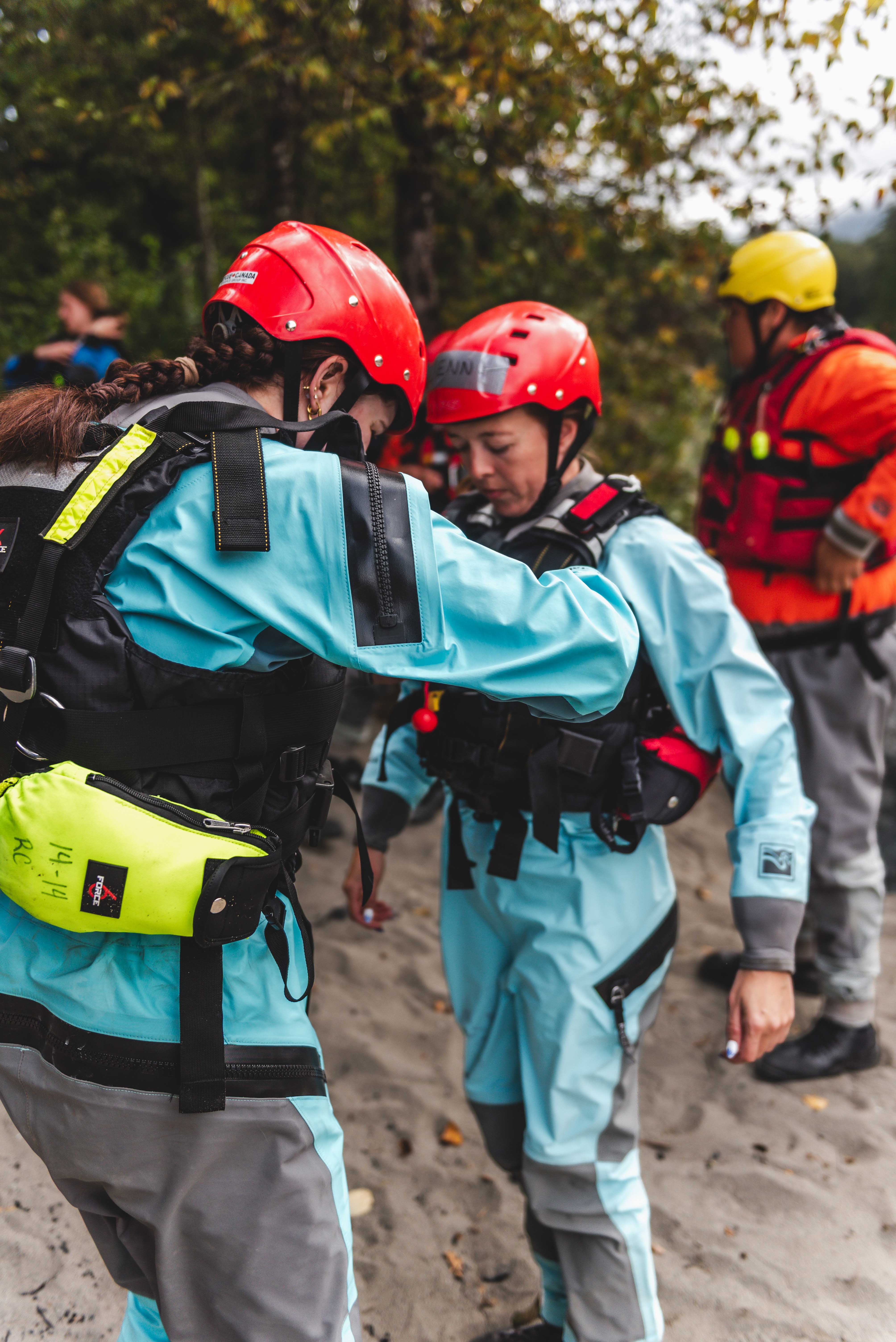
A lot of equipment suppliers sell gear based on what's popular or profitable. Rescue Canada's approach is different, because our equipment department isn't separate from our training operation. The gear we carry is selected by instructors who use it in the same swiftwater, ice, rope, boat, and helicopter environments our students train in, which means our recommendations reflect real-world performance, not a catalog listing.
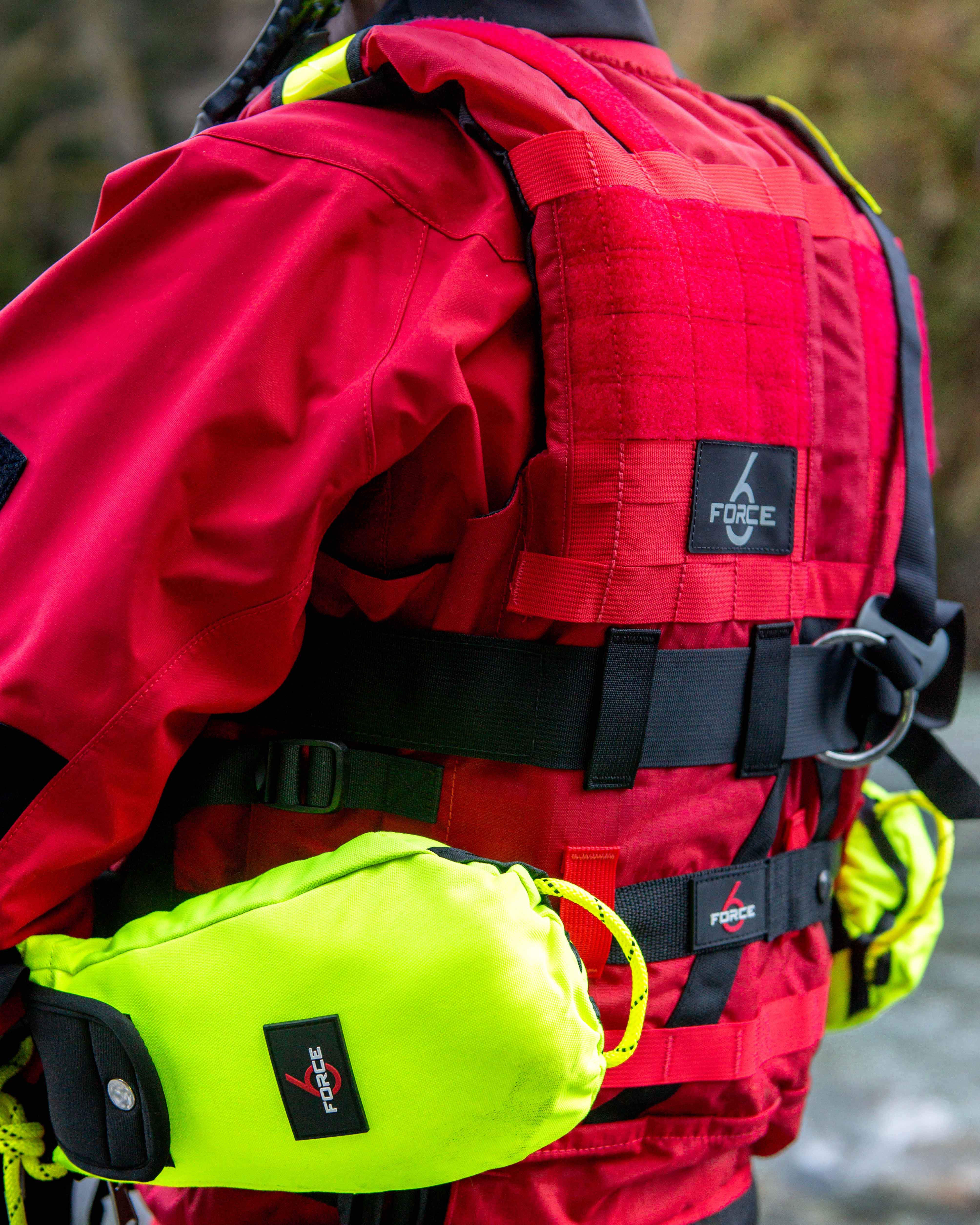
We work closely with established manufacturers in the rescue and safety equipment space, including Force 6 Rescue Products, to make sure the gear we carry meets the same standard of reliability we hold our own training to.
Personal Protective Equipment for Water and Field Work
The core of our equipment offering covers the essentials for anyone working in or near water: helmets built for rescue and technical environments, drysuits and semi-drysuits for cold-water immersion protection, personal flotation devices, boots designed for wet and technical terrain, and neoprene gloves for cold-water dexterity and protection. This is the foundational kit for swiftwater rescue technicians, resource management field staff, and anyone spending extended time working near or in cold water.
Specialized Gear for Rope and Swiftwater Operations
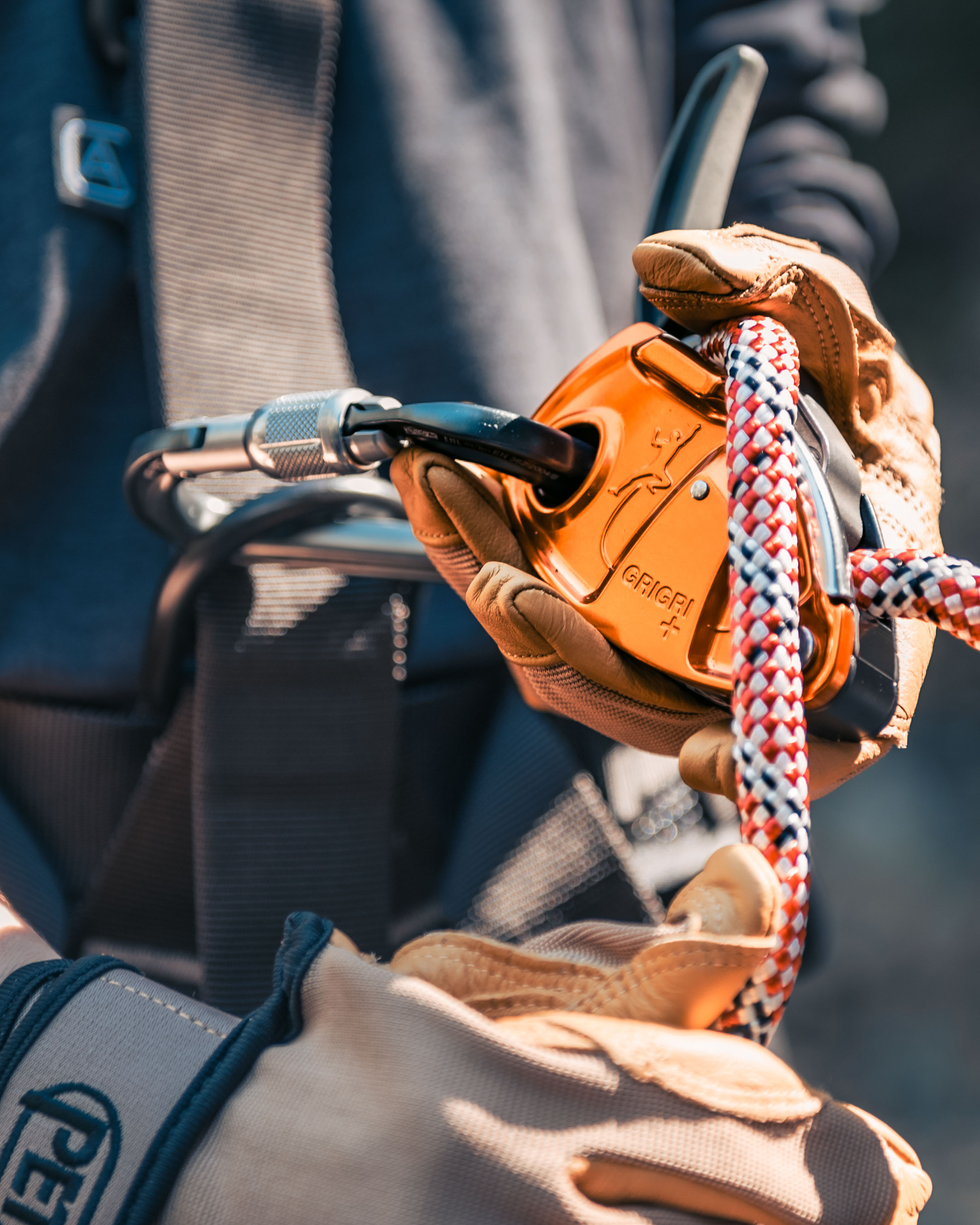
For rope rescue and swiftwater-specific operations, we carry throwbags and belts, essential tools for both water rescue response and technical rope work, along with line across kits used in swiftwater crossing and rescue scenarios. This equipment reflects the specific technical demands of rope and swiftwater environments, where general-purpose gear doesn't provide the reliability or functionality these operations require.
Ice Environment Equipment
Ice rescue and ice safety work demands its own specialized gear, and Rescue Canada carries ice awls, built to help self-rescue and rescue others when ice gives way, along with ice cleats designed for safe, stable movement across frozen surfaces. Anyone working regularly on or near ice, whether for professional response, resource management fieldwork, or recreational safety, needs equipment built specifically for how ice behaves and fails.
Helicopter Operation Equipment
For helicopter-related work, we carry flight helmets built for the specific demands of rotor-wing operations, survival vests designed for the aftermath of a helicopter emergency, and flight suits appropriate for helicopter access and operational work. This equipment reflects the specialized nature of helicopter safety, where the risks and required protection differ significantly from ground-based rescue work.
Equipment for Courses and Beyond
Whether you're outfitting yourself or your team ahead of a Rescue Canada course, replacing gear that's reached the end of its safe service life, or building out a complete equipment inventory for an operation, our equipment department can walk you through exactly what you need. We'd rather have an honest conversation about what your specific work actually requires than sell you more than you need.
Why Equipment Quality Matters
In rescue and safety work, equipment isn't a convenience, it's the line between a manageable situation and a genuine emergency. Gear that fails under pressure, whether that's a drysuit that leaks in cold water or a helmet that doesn't perform the way it's supposed to, can turn a controlled operation into a crisis. That's why Rescue Canada takes equipment sourcing as seriously as we take training, because both exist to keep the same people safe in the same demanding environments.
Equipment Backed by the Same Standards as Our Training
Rescue Canada doesn't separate its reputation for training excellence from its equipment operation, and that's deliberate. The same standards that govern how we build a course, thorough, evidence-based, and continuously reviewed against current best practice, apply to how we evaluate and stock equipment. We don't add a product to our lineup because a manufacturer offered favourable terms. We add it because our instructors have used it in the field and trust it to perform when it matters.
That standard shows up in the details: how equipment is stored and inspected before it reaches a customer, how quickly we flag and stop carrying a product line if field performance doesn't hold up, and how directly our equipment team can speak to the practical differences between options, because they've genuinely used the gear themselves rather than simply reading a spec sheet.
Talk to Our Equipment Team
If you're not sure what equipment fits your specific work, whether that's an individual course requirement or outfitting an entire crew, reach out to our equipment department. We'll talk through your environment, your role, and your operational needs, and help you build the right kit, backed by the same standards and field experience that define every course we teach.