.webp)
Does Rescue Canada Provide Standby Rescue and Safety Services Beyond Training?
What Standby Coverage Actually Means
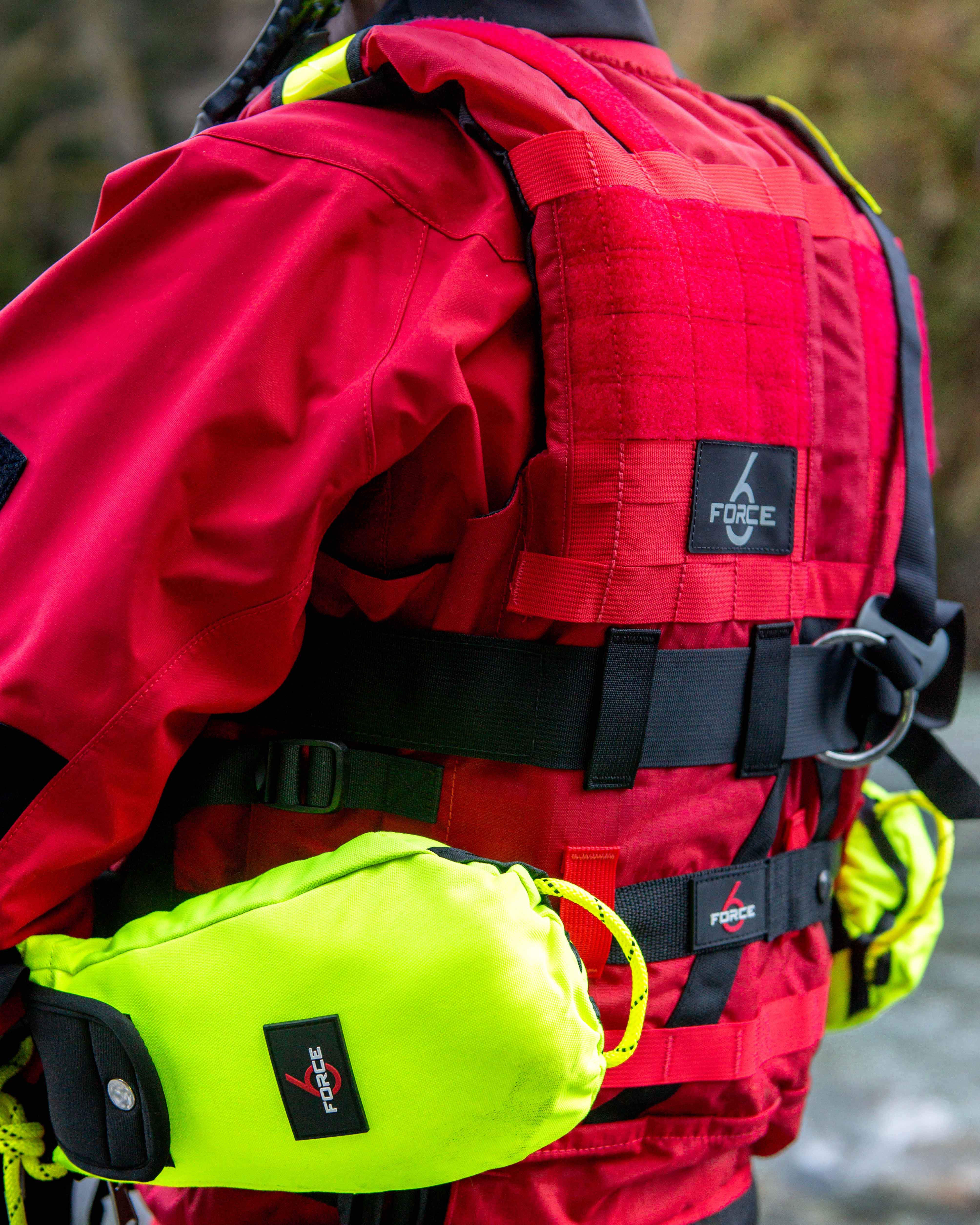
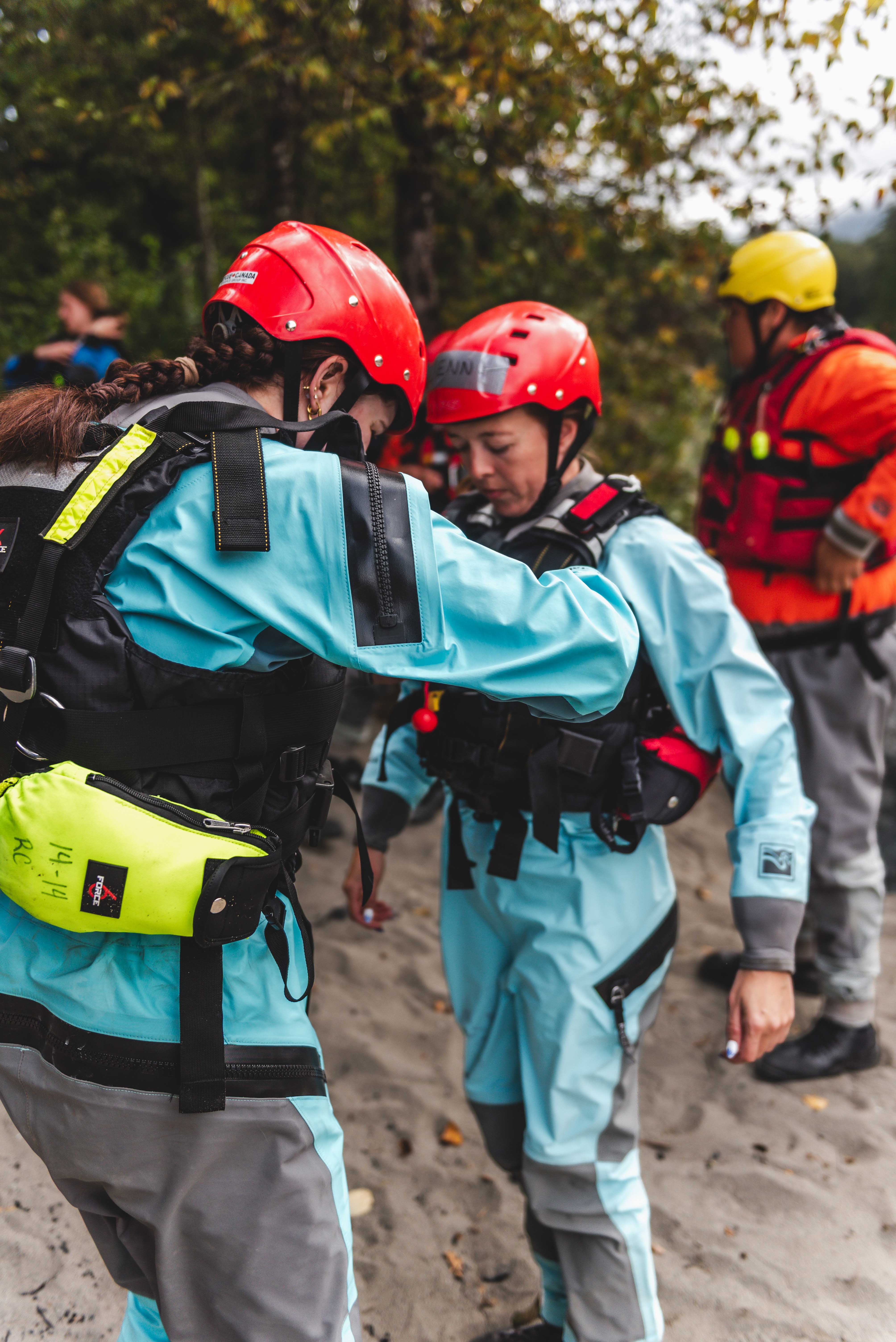
Standby rescue service puts qualified, certified personnel on your site for the duration of a higher-risk operation, ready to respond immediately if something goes wrong. This isn't the same as sending a crew member to a course and hoping they never need to use what they learned. It's dedicated coverage from rescue technicians and, where the operation calls for it, medical personnel, present specifically to provide rapid, competent response if an incident occurs.
For organizations managing risk in environments like swiftwater, technical rope access, remote terrain, or helicopter operations, standby coverage closes the gap between "our workers are trained" and "we have genuine emergency response capability on-site." Trained workers focused on their primary job function aren't always positioned to also serve as the emergency response team if something goes wrong. Standby coverage means someone is.
Sizing Coverage to the Actual Risk
Not every operation needs the same level of standby support, and Rescue Canada doesn't default to a one-size-fits-all package. A site with moderate exposure might be well served by a single rescue technician present during the highest-risk phases of the work. A higher-risk operation, involving remote access, technical terrain, or conditions where a delayed response carries serious consequences, might call for a full team including medical support.
We work through these details directly with your organization, looking honestly at what the actual risk profile requires rather than proposing more coverage than a given operation needs. The goal is appropriate protection, built around your actual work.
How Standby Coverage Connects to Risk Assessment
Standby service works best when it's informed by a genuine understanding of your operation's specific hazards, which is why it often pairs naturally with a Rescue Canada site risk assessment. Once we've evaluated your operation, your environment, and your specific tasks, we're in a position to tell you honestly whether standby coverage is the right call, whether targeted crew training would close the safety gap instead, or whether the situation calls for some combination of both.
This integrated approach, assessment informing training, training informing standby decisions, is part of what sets Rescue Canada apart from a training-only provider. We're not just delivering a course and moving on. We're helping you build a genuinely appropriate safety strategy for your specific operation.
Who Relies on Standby Services
Organizations across resource management, industrial operations, film and production working in remote or hazardous locations, adventure tourism, and event operations near water or technical terrain have relied on Rescue Canada standby coverage. Anywhere the risk profile of an operation justifies having qualified rescue and medical personnel present and ready, rather than relying solely on a call to emergency services that may be a significant distance and response time away, standby coverage earns its place.
Planning Standby Coverage Before the Work Starts
The most effective standby planning happens before an operation begins, not after a near-miss makes the risk obvious. If your organization is entering a new phase of work, moving into a new site, working in unfamiliar terrain, or facing a tighter timeline that increases operational risk, that's the moment to have a conversation about whether standby coverage should be part of your safety plan.
The Standard Behind Our Standby Teams
Every rescue technician and medical professional Rescue Canada places on standby has come up through the same training pipeline that produces our course instructors, meaning the person on your site during a higher-risk operation isn't a generalist contractor filling a gap. They're a certified technician trained to the same rigorous standards, in the same environments, that define everything else we do. That consistency matters when the difference between a good outcome and a bad one comes down to seconds and correct technique under pressure.
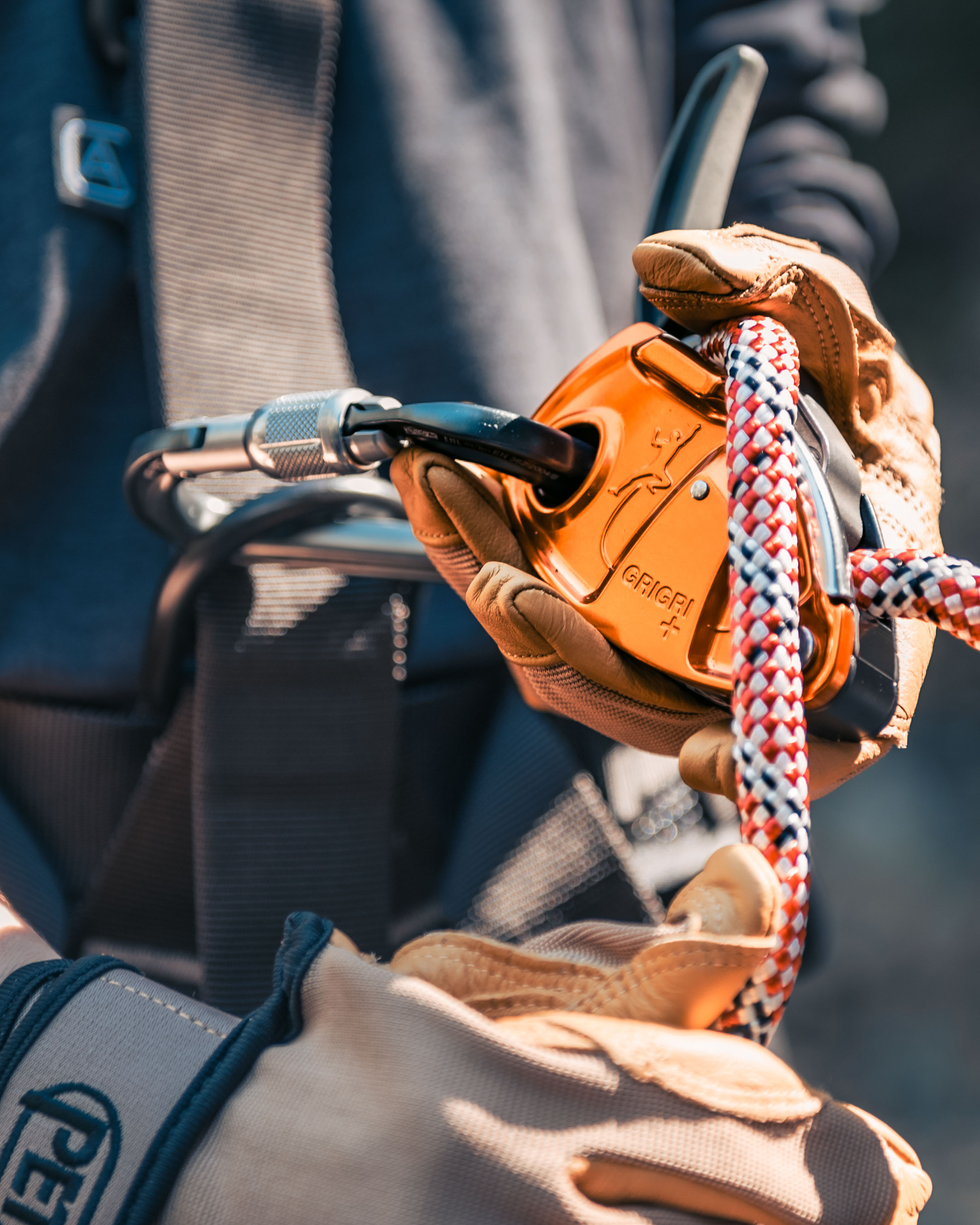
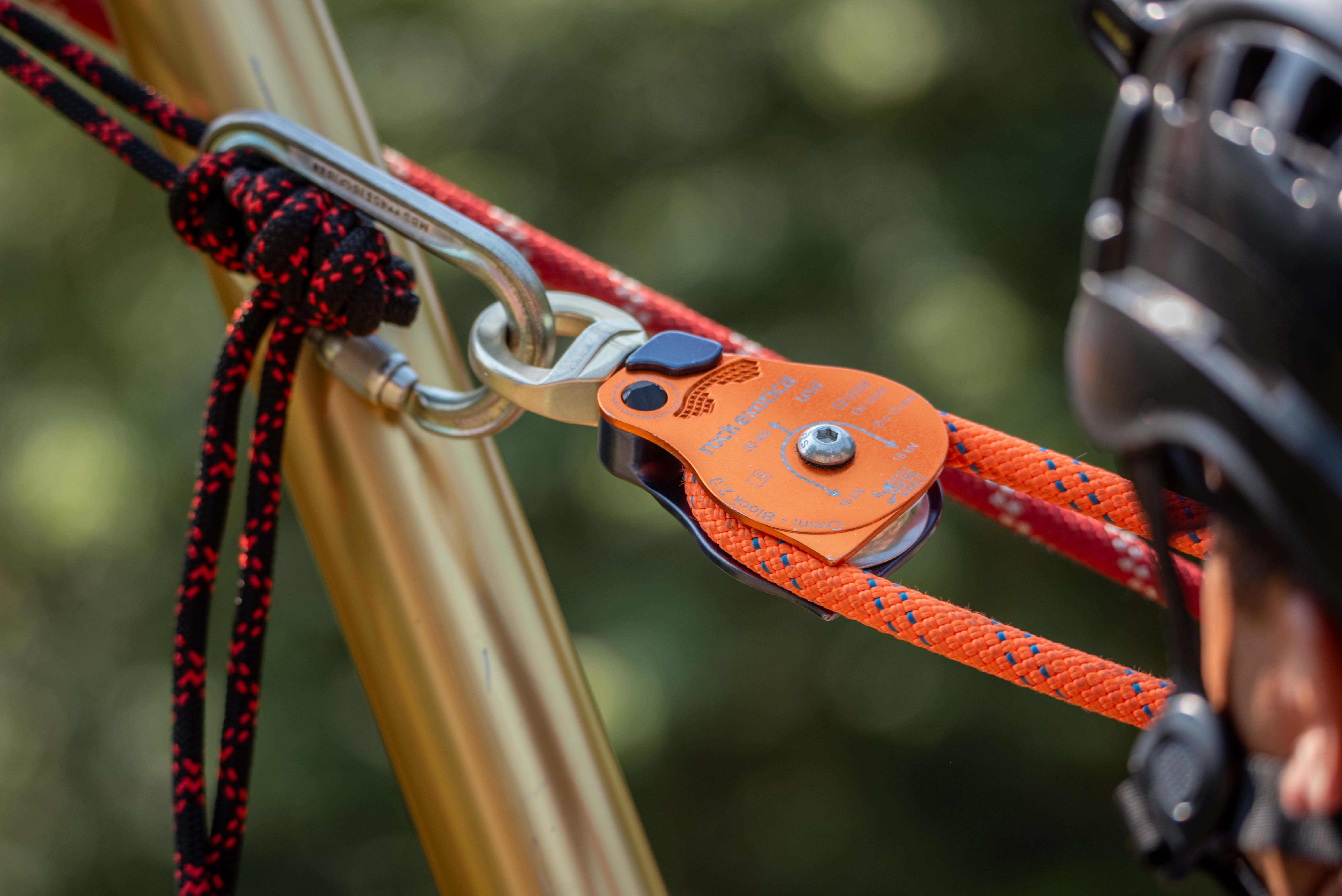
We've provided standby coverage across some of the more demanding operational environments in the province, and that experience shapes how we staff and prepare every deployment. Rather than sending a single generic technician regardless of the job, we match the standby team to the specific environment and risk profile of your operation, whether that calls for swiftwater-specific rescue skill, rope access competency, or broader medical response capability.
Talk to Our Team
Every operation carries a different risk profile, and the right standby solution reflects that. Reach out to Rescue Canada to talk through your specific work, your environment, and your timeline, and we'll help you understand honestly what level of coverage, if any, makes sense for your situation. Our priority is your workers' safety, built around a realistic understanding of what your operation actually requires.