.webp)
How Do I Know Which Rescue Canada Course Is Right for Me?
Rescue Canada has spent more than four decades building training programs for people who work, respond, and play in Canada's rivers, lakes, ice fields, mountains, and skies. That experience taught us early on that handing every student the same course, regardless of their background, doesn't produce confident, capable rescuers. It produces certificates. So every course we run gets shaped around the person taking it.
Start With Your Environment
Rescue Canada delivers rescue and safety training across six core environments: swiftwater, ice, winter, boat, rope, and helicopter. Each one presents a completely different set of hazards, and the skills that keep you safe in one don't automatically transfer to another.
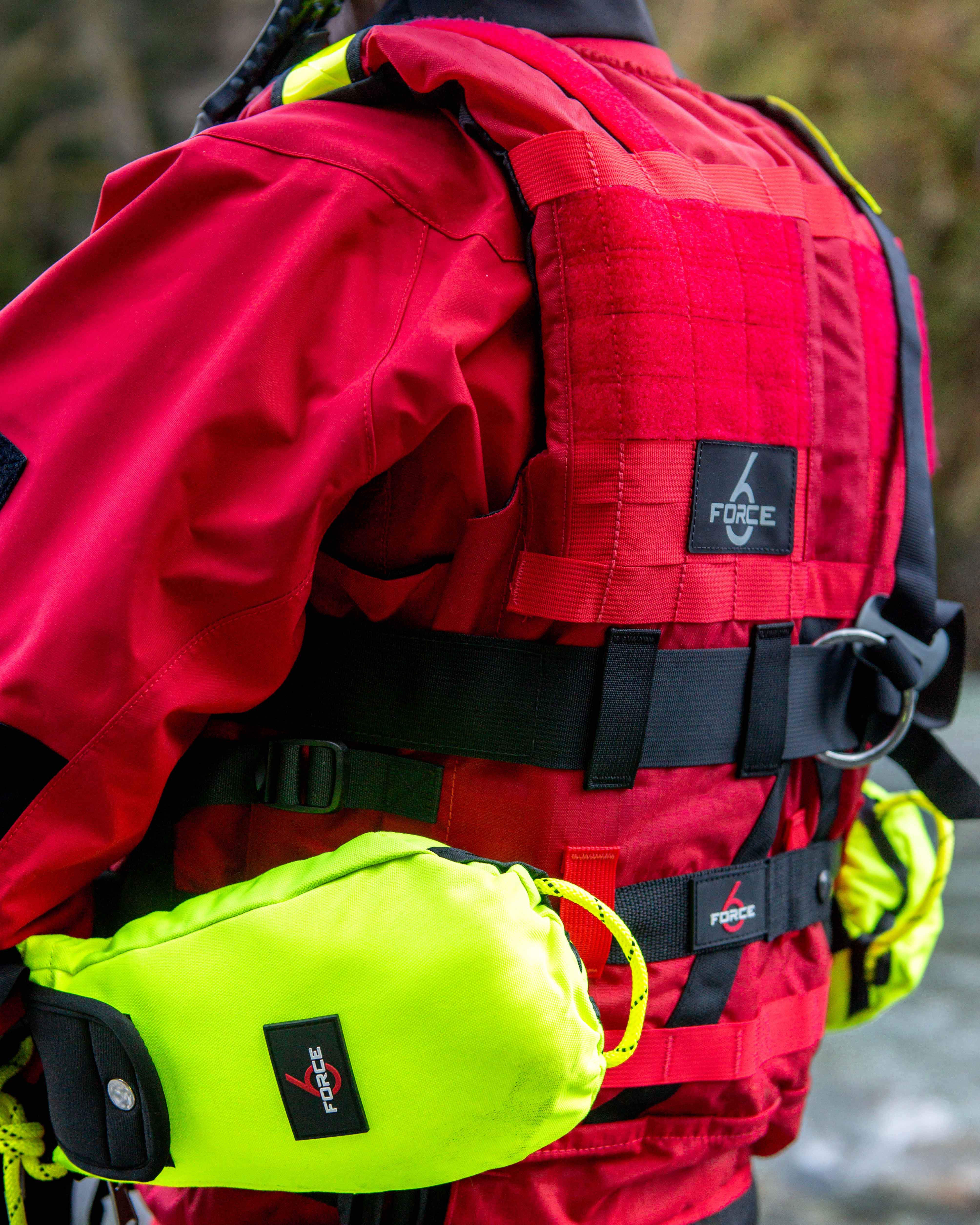
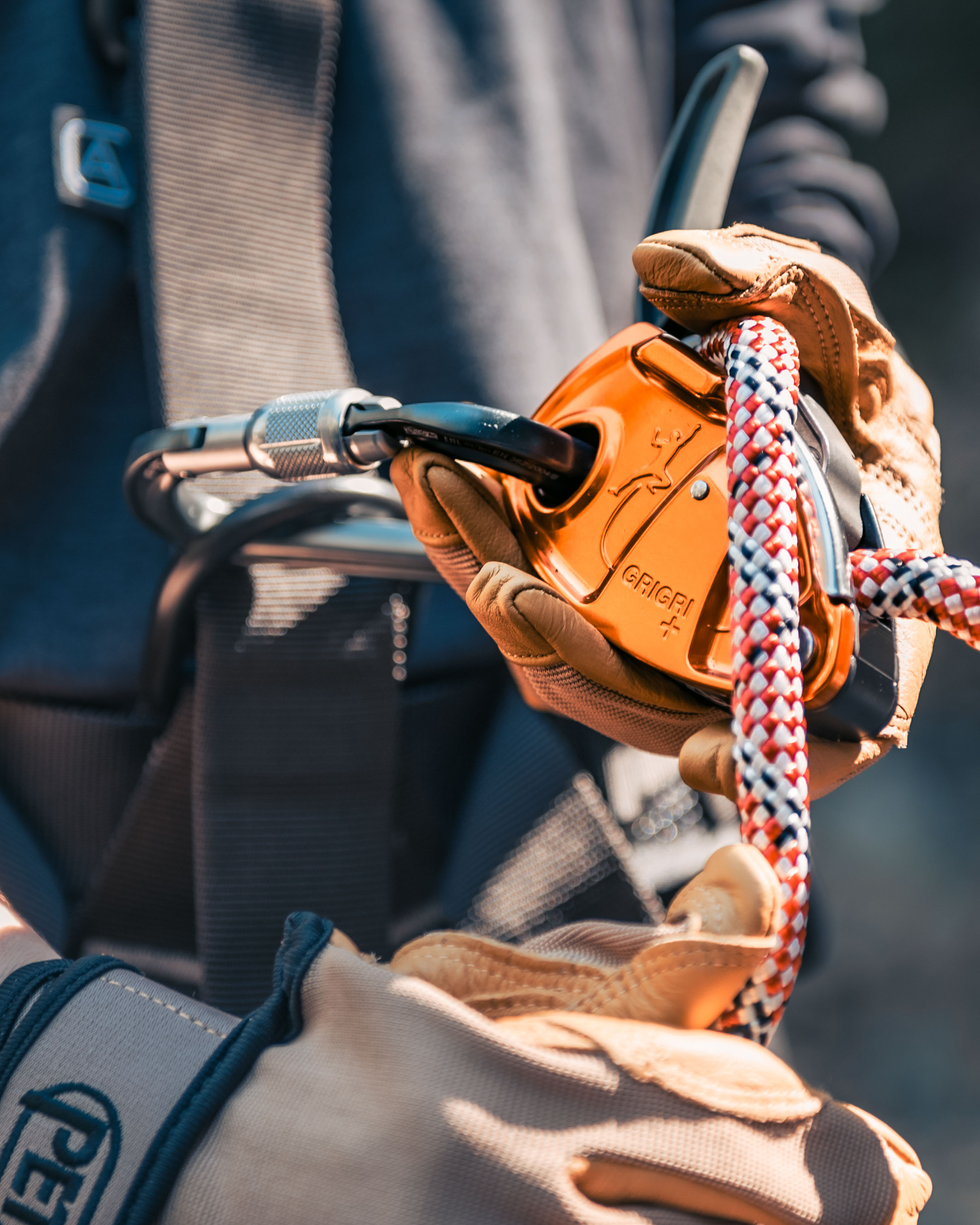
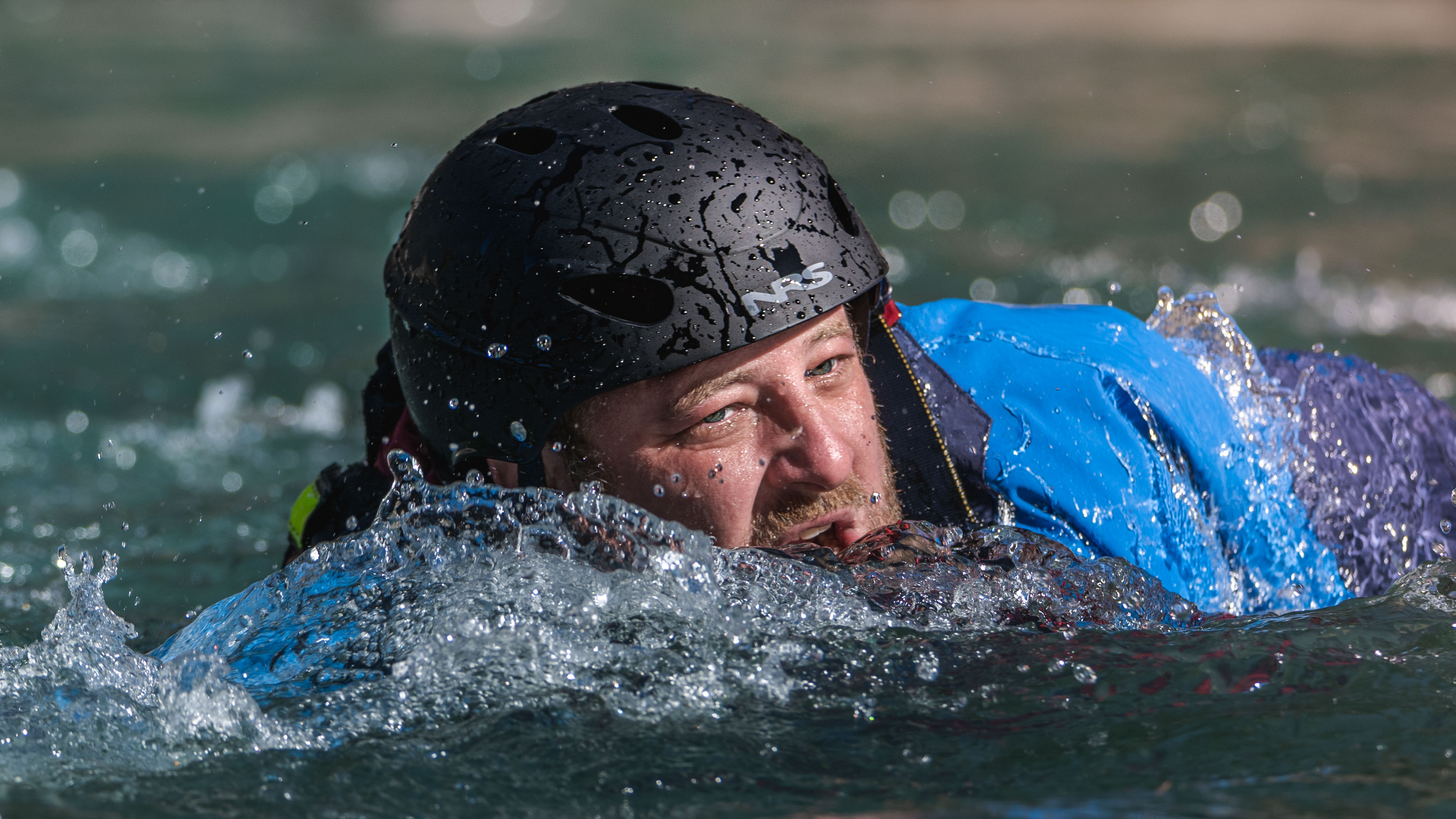
Swiftwater training covers moving water, current dynamics, hydrology, and in-water rescue technique, essential for anyone who works near rivers, whether that's search and rescue, resource management fieldwork, or guiding. Ice training focuses on ice formation, ice rescue technique, and the specific hazards of working or responding on frozen water. Rope training builds the skills for vertical or steep-angle environments, anchors, rigging, and technical rescue systems. Boat safety training addresses on-water operations and rescue from a vessel. Helicopter training covers everything from flight safety and landing zones to crash survival for anyone who uses a helicopter for work, response, or access. Winter safety and survival rounds out the list for cold-weather environments beyond ice specifically.
If you're not sure which environment applies to your work, that's a completely normal starting point, and it's the first thing our team will ask when you call.
Match the Course to Your Role
The second variable is who you are and what you're responsible for. Rescue Canada trains four broad groups, and each one needs a different depth of training.
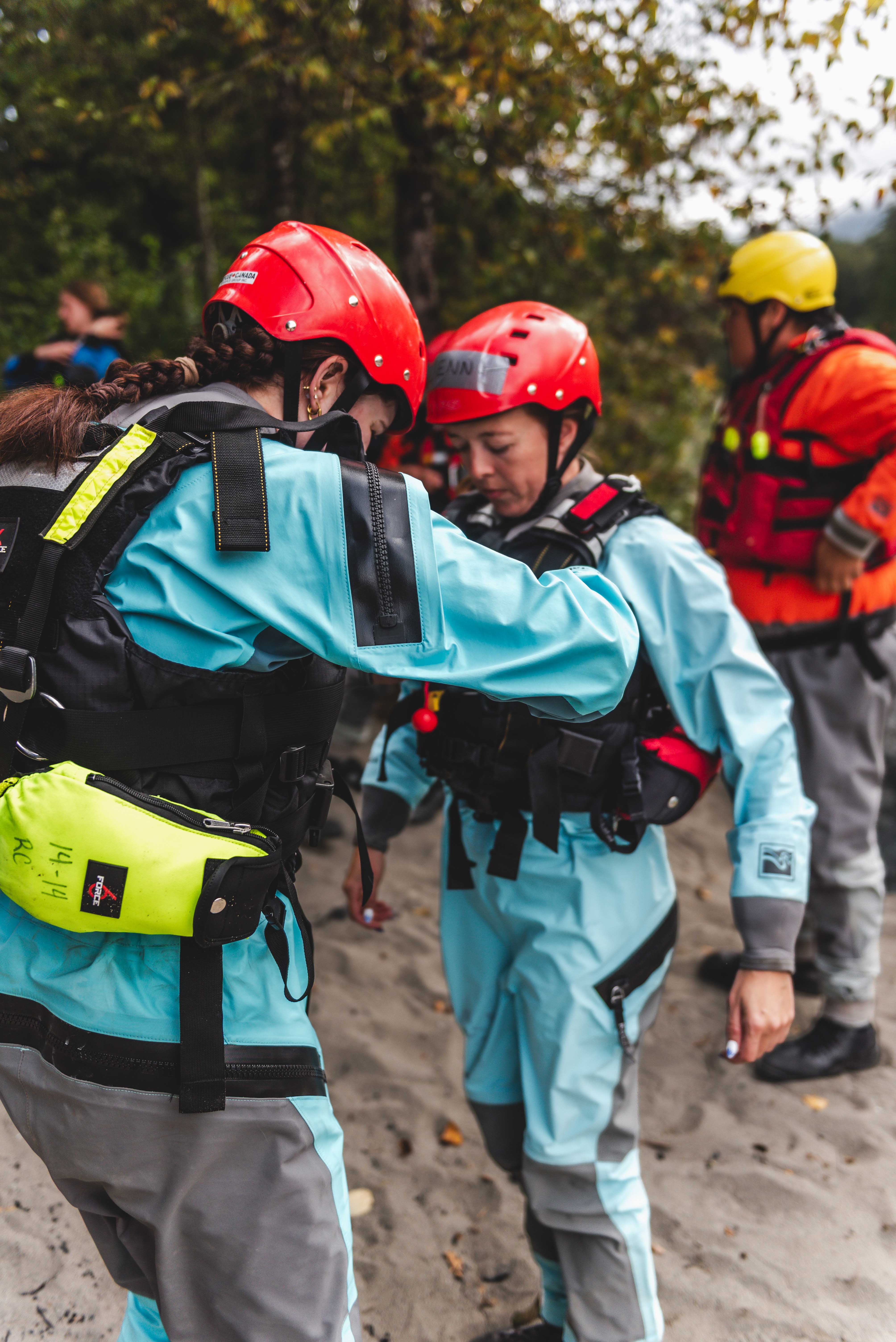
Emergency services personnel, including fire, search and rescue, police, paramedics, and military, typically need training built around rapid, high-stakes response. Resource management professionals, think Department of Fisheries and Oceans staff, hydrologists, biologists, and consultants working in the field, need training that reflects the operational realities of their day-to-day work, not just emergency response. Adventure tourism guides carry a different responsibility again: keeping paying clients safe while delivering a genuinely good outdoor experience. And the general public, people who simply want to play safely in rivers, on ice, or in the backcountry, need accessible training that builds real competence without assuming a professional career path.
None of these groups need the same course. A firefighter responding to a swiftwater rescue call needs different tools than a hydrologist wading a river to take water samples, and both need something different again from a family that wants to spend the summer paddling safely.
Factor In Your Experience Level
The third piece is where you're starting from. Rescue Canada structures its certification levels so that training builds progressively, rather than throwing new students into high-risk scenarios before they're ready.
If you're brand new to an environment, an Awareness course or a Level 1 or Level 2 course is almost always the right entry point. These build the fundamentals: hazard recognition, personal protective equipment, basic risk assessment, and foundational operational skills. Emergency services personnel new to an environment typically start at Level 2, which introduces team-based safety and rescue in shore-based, lower-risk conditions.
Once you've logged time in the field and built some practical experience, Level 3 becomes the natural next step. This level moves into medium to high-risk response: in-water rescue, steep slope operations, dynamic conditions, and third-party rescue rather than just personal safety. Resource management professionals working in remote terrain, or using ropes, boats, and helicopters as part of their access, generally benefit from Level 3 training even if they're relatively early in their field career, simply because of the environments they're operating in.
Adventure tourism guides responsible for client safety are usually best served starting at Level 3 as well, given the direct responsibility they carry for other people's safety in the field.
What If You're Not Sure?
A lot of people calling Rescue Canada for the first time aren't sure which box they fit into, and that's fine. If you're simply curious about an environment, want background knowledge before committing to hands-on training, or need a refresher before a season starts, our online awareness courses offer a solid, low-commitment starting point that builds real foundational knowledge.
And because every course we run gets tailored to the group in front of us rather than pulled off a shelf, there's no wrong door to walk through. Tell us your environment, your role, and your experience, and we'll build the right recommendation from there, not the other way around.
Why This Approach Matters
Rescue and safety training only works if it actually prepares you for the conditions you'll face. A generic course that ignores your role, your environment, and your starting point might check a compliance box, but it won't build the judgment and technical skill you need when conditions turn serious. That's why Rescue Canada's Master Rescue Instructors, recognized internationally as subject matter experts in technical rescue, build every course around the realities of the person in front of them rather than a standardized script.
If you're still weighing your options, reach out to our office. A short conversation about your environment, your role, and your experience is usually all it takes to land on the course that actually fits, and that's the course that will serve you when it matters most.